

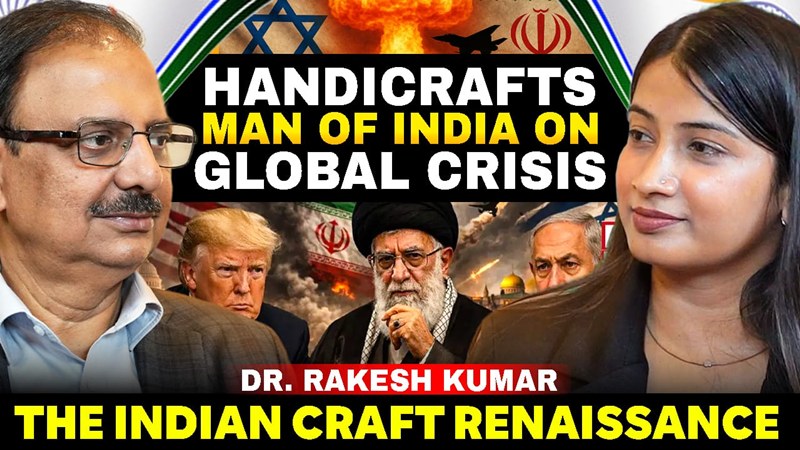
Greater Noida News (18 March 2026): Amid escalating global conflicts—from the prolonged Russia-Ukraine War to intensifying tensions in the Middle East such as the Israel-Hamas War—the world economy is navigating a phase of deep uncertainty. Supply chains remain fragile, freight costs volatile, and trade routes increasingly vulnerable. In this turbulent environment, India’s export sector stands at a decisive crossroads.
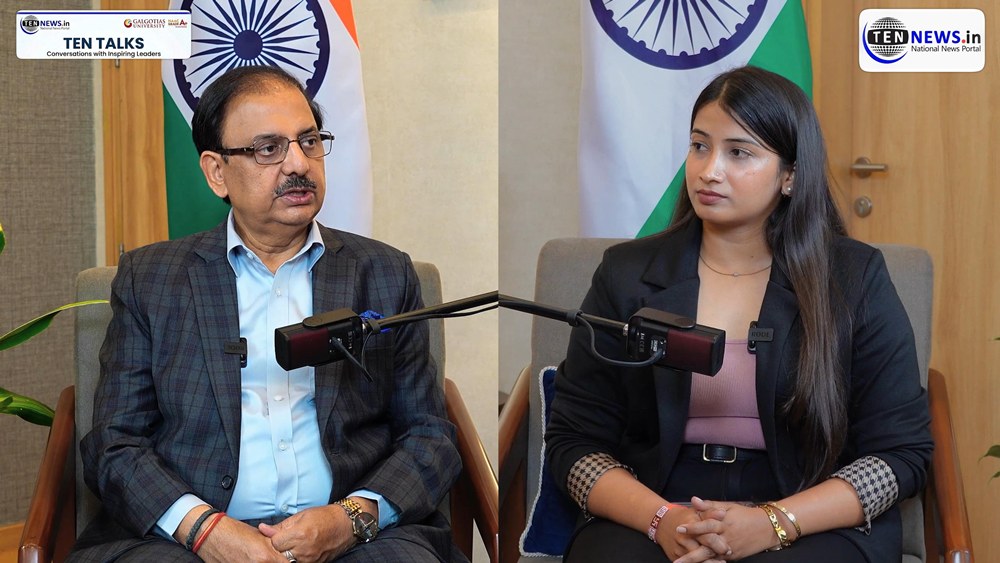
In an exclusive conversation with Ten News Network, Dr. Rakesh Kumar, Chairman of India Expo Mart and Director General of the Export Promotion Council for Handicrafts (EPCH), shared a comprehensive and strategic vision for navigating these global disruptions. Drawing from decades of experience across key ministries including Commerce & Industry, Textiles, and MSMEs, he outlined how India can transform geopolitical instability into long-term economic opportunity.
Strategic Neutrality: India’s Biggest Strength
Dr. Rakesh Kumar described India’s foreign policy as a “masterclass in strategic neutrality,” noting that the country is carefully balancing its global relationships without aligning rigidly with any power bloc. It is like walking a tightrope, he remarked.
This calibrated stance, he explained, has enabled India to maintain strong trade channels with competing global powers. It has also accelerated progress on critical trade agreements, including ongoing Free Trade Agreement (FTA) negotiations with the European Union and easing tariff frictions with the United States. At a time when many economies are constrained by sanctions, war-driven disruptions, and diplomatic fractures, India’s neutral positioning has enhanced its credibility as a stable and reliable trade partner.
MSMEs Under Pressure: A ‘Ticklish’ Reality
However, the global turmoil has created severe operational challenges for India’s MSME sector. Dr. Kumar highlighted a combination of:
* Surging freight and logistics costs
* Acute container shortages
* Currency fluctuations driven by war-related instability
* Delays caused by disrupted shipping routes, including those impacted by Red Sea tensions
He warned that without timely government intervention, these pressures could significantly weaken export competitiveness.
Policy Interventions: Immediate Solutions Needed
To stabilize the sector, Dr. Rakesh Kumar proposed two urgent policy measures:
1. Freight Equalization Scheme
A government-backed subsidy mechanism to offset abnormally high shipping costs and ensure Indian products remain competitive globally.
2. Expanded Insurance Coverage
Enhanced protection similar to ECGC schemes for sectors like handicrafts and fashion, where seasonal goods risk becoming unsellable due to delays or geopolitical disruptions.
These are not just support measures—they are essential safeguards to prevent systemic breakdown, he emphasized.
Domestic Market: The Immediate Lifeline
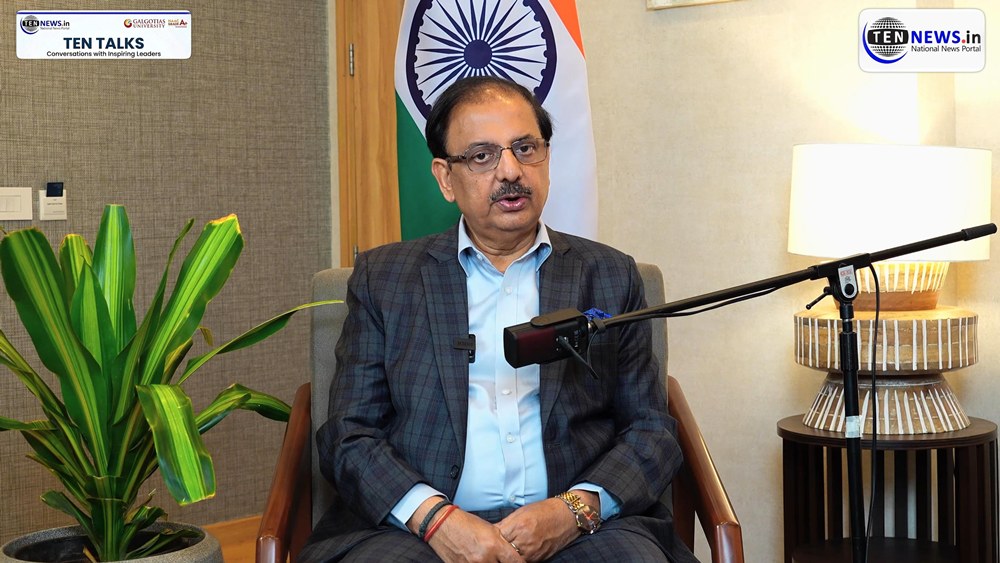
For artisans, Self-Help Groups (SHGs), and grassroots producers, Dr. Kumar underscored the importance of strengthening domestic demand. He urged the Development Commissioner (Handicrafts & Handlooms) to shift focus toward: Domestic trade fairs, Localized “market clinics”, Consumer awareness initiatives. The domestic market is currently the biggest savior, he noted, adding that internal consumption can sustain livelihoods while global demand remains uncertain.
A Hidden Opportunity in Global Crisis
Despite the challenges, Dr. Rakesh Kumar sees a strategic opening for India. As major manufacturing economies face disruptions due to war, sanctions, and political instability, India’s relative stability and restraint position it as a preferred global sourcing hub. Consumption will rise, and India can emerge as the world’s largest supply base, he predicted. This shift, he believes, could accelerate India’s transition into a global manufacturing powerhouse.
Digital Transformation: The New Trade Backbone
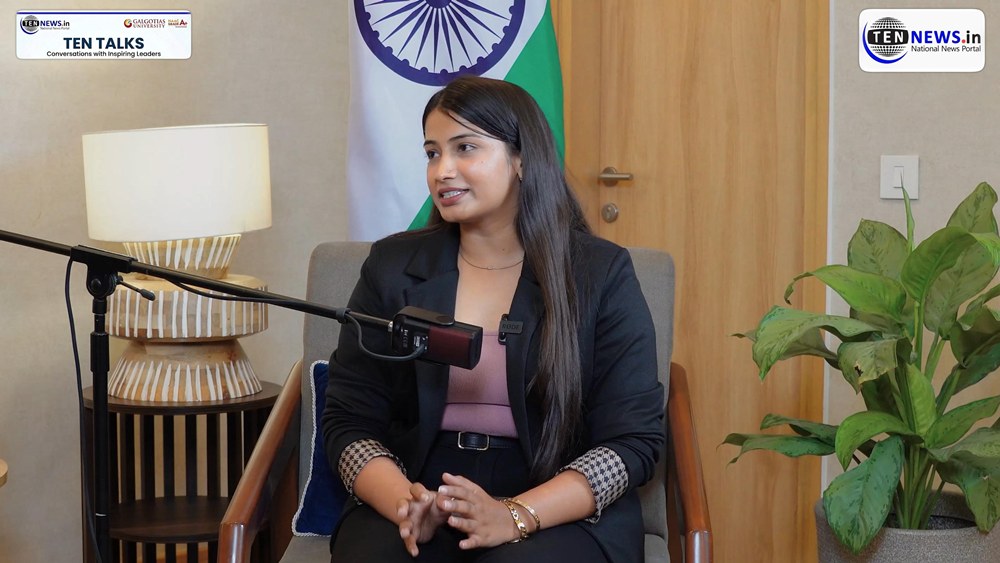
Highlighting the growing importance of digital platforms, Dr. Rakesh Kumar pointed to tools like ExpoBazaar as game-changers. Exporters leveraging overseas warehousing—particularly in the US and Europe—have managed to maintain steady operations despite shipping delays. By pre-positioning goods internationally, they have created a buffer stock of up to three months. This must become the new normal, he asserted, advocating for a hybrid model of digital trade and global inventory management.
A Message of Caution and Resilience
Concluding the discussion, Dr. Kumar delivered a pragmatic message to exporters: Saving is earning in today’s environment. He advised businesses to exercise strict cost control, Carefully assess raw material pricing, Avoid speculative risks in volatile markets.
In an era defined by geopolitical instability and economic unpredictability, Dr. Rakesh Kumar’s vision reflects a strategy rooted in resilience, adaptability, and foresight—leveraging India’s neutrality, domestic strength, and digital innovation to convert global disruption into sustained economic growth.
Dear Readers and Viewers, Please note that tennews.in: National News Portal daily publishes latest and top ten news from government, politics, national, business, education, technology, lifestyle, entertainment, health etc ten categories. You may submit your e mail and subscribe it to get updates on your e mail. Please also subscribe TEN NEWS NATIONAL YouTube Channel.

Comments are closed.