

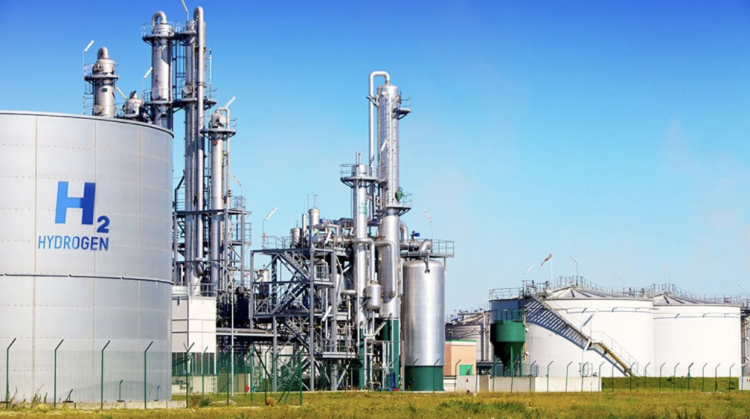
India’s Mission Green Hydrogen: How Plants Will Transform the Energy Sector
The global energy landscape is undergoing a paradigm shift, and India stands at the forefront of this transition. As the world moves toward decarbonization, the focus has sharpened on sustainable alternatives that can replace fossil fuels in hard-to-abate sectors. Foremost among these solutions is green hydrogen – a clean fuel that promises to reshape India’s industrial and economic future.
India’s National Green Hydrogen Mission is not merely a policy document; it is a strategic roadmap designed to position the country as a global hub for the production, usage, and export of green hydrogen and its derivatives. With a target to produce 5 million metric tonnes (MMT) of green hydrogen annually by 2030, the mission aligns with India’s broader goal of achieving energy independence and net-zero emissions by 2070.
One of the leading renewable energy companies like Avaada is playing a critical role in this ecosystem. By integrating advanced solar manufacturing with large-scale green hydrogen projects, Avaada is helping to build the infrastructure necessary to turn these ambitious targets into operational reality.
Understanding the Green Hydrogen Mission
The National Green Hydrogen Mission was launched to decarbonize major sectors of the economy, reduce dependence on imported fossil fuels, and enable the country to assume technology and market leadership in green hydrogen. The mission outlines a comprehensive framework to support the development of the entire value chain, from renewable energy generation to the production of green hydrogen and Green Ammonia.
Key objectives of the mission include:
- Capacity Building: Achieving an annual production capacity of at least 5 MMT of green hydrogen by 2030.
- Renewable Energy Addition: Adding approximately 125 GW of renewable energy capacity to support hydrogen production.
- Investment and Employment: Attracting over ₹8 lakh crore in investments and creating more than 6 lakh jobs.
- Import Reduction: Reducing fossil fuel imports by over ₹1 lakh crore.
Government initiatives such as the waiver of inter-state transmission charges for renewable energy used in green hydrogen production and financial incentives for domestic manufacturing of electrolyzers are providing the necessary policy support to accelerate adoption.
The Role of Green Hydrogen Plants in Energy Transformation
Green hydrogen plants are the engines of this energy transition, unlike grey hydrogen, which is produced using natural gas and releases carbon dioxide. Green hydrogen is produced through electrolysis – a process where water is split into hydrogen and oxygen using electricity generated from renewable sources like solar or wind.
This process ensures that the entire lifecycle of the fuel is carbon-neutral. A green hydrogen plant essentially acts as a bridge, converting variable renewable energy into a storable, transportable chemical fuel. This capability allows for the decarbonization of sectors that cannot easily run on electricity alone, such as heavy industry (steel, cement), long-haul transport, and shipping.
The technology powering these plants relies heavily on efficient electrolyzers and a consistent supply of renewable power. As the cost of solar modules and wind turbines decreases, the economic viability of green hydrogen production improves, making it a competitive alternative to fossil fuels.
Navigating Challenges in Scaling Production
While the potential is vast, scaling green hydrogen production involves navigating specific technical and economic hurdles.
Infrastructure and Cost
The primary challenge remains the cost of production compared to grey hydrogen. Reducing this cost requires inexpensive renewable power and low-cost, high-efficiency electrolyzers. Furthermore, establishing a robust infrastructure for the storage and transportation of hydrogen – a highly volatile gas – requires significant capital investment.
Sustainability and Waste Management
As the deployment of solar panels scales up to power these hydrogen plants, the industry must also address the lifecycle management of solar components. Ensuring the recycling of solar waste and the sustainable disposal of end-of-life modules is essential to maintain the “green” credentials of the entire ecosystem. The industry is increasingly focusing on circular economy principles to manage materials like glass, aluminum, and silicon recovered from older modules.
Financial Landscape and Manufacturing Prowess
The financial ecosystem for green hydrogen is evolving rapidly. The Indian government has successfully created a favorable investment climate through the Strategic Interventions for Green Hydrogen Transition (SIGHT) programme, which offers financial incentives for both electrolyzer manufacturing and green hydrogen production.
Integrated Manufacturing
The strength of growing renewable energy companies like Avaada lies in their integrated manufacturing capabilities. By managing domestic production of wafers, cells, and modules, the company mitigates supply chain risks and reduces its dependence on imports. This vertical integration ensures a reliable supply of high-performance PV modules required for captive renewable power generation at green hydrogen sites.
According to recent industry updates, lenders are being encouraged to broaden their financing portfolios to cover the entire solar value chain – including cells, wafers, and polysilicon – rather than limiting funding to module manufacturing alone. This shift is crucial for building a self-reliant domestic industry capable of supporting India’s hydrogen ambitions.
Socio-Economic Impact: Global and Local
The transition to green hydrogen extends beyond environmental benefits; it promises substantial socio-economic growth.
Local Development
The establishment of green hydrogen plants and associated renewable energy parks drives development in high-growth states such as Odisha, Rajasthan, Gujarat, and Tamil Nadu. These projects generate employment, improve local infrastructure, and contribute to the state exchequer. For instance, initiatives in Odisha are creating a multi-agency framework involving state bodies like OREDA and GEDCOL to accelerate renewable energy planning.
Global Positioning
By developing export capabilities for Green Ammonia and hydrogen, India positions itself as a key supplier to global markets, particularly Europe and East Asia. This export potential aids in narrowing the current account deficit and strengthening India’s geopolitical standing in the energy sector.
Conclusion
India’s Green Hydrogen Mission represents a decisive step toward a sustainable energy future. By harnessing renewable energy and deploying advanced technologies, green hydrogen plants are set to transform the energy sector, decarbonize heavy industries, and drive economic growth.
One of the growing renewable companies like Avaada are integral to this journey, providing the technological expertise, manufacturing scale, and project execution capabilities required to meet the nation’s ambitious targets. Through continuous innovation in high-efficiency solar modules and strategic collaborations in green hydrogen development, the industry is laying the foundation for a cleaner, energy-independent India.

Comments are closed.