

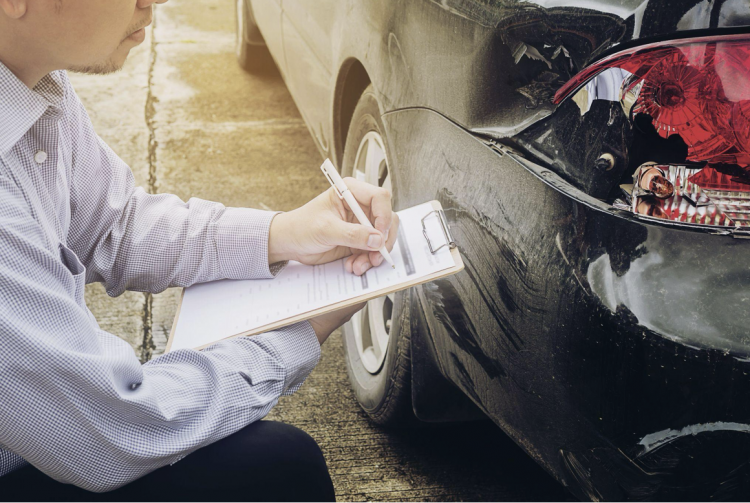
How Insurance Companies Detect Fake Car Accidents and Fraudulent Claims?
A staged accident may appear to be a real crash, but insurers are trained to identify patterns that do not add up. Fraud causes all premiums to go high; hence, investigations are meant to safeguard honest drivers and maintain fair claims.
To prevent becoming a victim of another scam, understanding the detection process will help you not to panic and to take the required notes and prevent suspicious situations on the road.
What is a Staged or Fraudulent Car Accident?
Fraudulent accidents are accidents where the crash, damage or injury is overstated or doctored or deliberately caused to obtain a payout. Common examples include:
- False Documentation – A claim is supported by false invoices, altered bills or forged police information.
- Staged Collisions – A planned crash where one party deliberately causes impact to claim repairs or injury costs.
- Induced Accidents – A driver brakes or swerves abruptly in order to make you hit him.
- Phantom Passengers or Injuries – More injured people are added, or injuries are exaggerated.
- Damage Inflation – Old dents or unrelated damage are presented as fresh accident damage.
The reason why it is important to understand these tactics is that the same story can have different outcomes based on your coverage and how you report it. If you hold car insurance and follow your car insurance policy claim steps properly, it becomes much easier to show that your side of the incident is genuine.
8 Red Flags Insurers Look for in Fraudulent Car Insurance Claims
Fraud detection usually starts with red flags that suggest the story, damage, or paperwork does not match typical accident behaviour. Given below are the most common signals:
- Unusual Accident Description – The story is vague, inconsistent, or keeps changing from one statement to the next.
- Repeated Claim History – The same vehicle, driver, or group has multiple claims over short periods of time.
- Witnesses Feel “too convenient” – Witnesses are associated with a single party, arrive on the scene immediately, or cannot be independently verified.
- Police Report Gaps – FIR information is not provided, or reporting is delayed, or the impact reported does not match the actual impact.
- Damage Does Not Match the Impact – The angle of collision and the damage pattern do not align with the described speed and direction.
- Repair Estimates Look Inflated – Quotes contain irrelevant parts, excessive labour, or duplication of replacement of parts that are normally repaired.
- Vehicle Inspection Resistance – One party is resistant to surveys, refuses to be inspected, or even demands a specific workshop without a cause.
- Red Flag Behaviours – Aggression in pressuring to settle too fast, not handing over documents or even trying to prevent you from calling the police.
These red flags do not necessarily indicate fraud. They simply initiate deeper verification in the car insurance claim process.
How Does a Car Insurance Policy Claim Investigation Usually Work?
When the system flags a claim as higher-risk, the insurer may move it into a detailed verification track. Your comprehensive car insurance policy terms still apply, but the checks become more structured and evidence-driven. Typical steps include:
- First-line Claim Screening – The claim is rated based on risk factors, including timing, location, previous history and value of claim.
- Document Verification – RC, driving licence, policy details, police report, repair estimates and medical documents are verified.
- Statement Review – The insurer evaluates accounts of the events given by the driver, passengers, witnesses and workshop.
- Timeline Check – Checks are done regarding inconsistencies in call logs, reporting time, and location indicators.
- Workshop Checks – Repair bills and parts replacement can be verified against market rates and the results of physical inspection.
The claim may take its normal course in case everything goes well. Otherwise, the insurer may require further evidence, reduce the amount of payment, or increase the investigation.
What to do Immediately After an Accident for a Faster Claim?
Good documentation protects you whether the accident is genuine or suspicious. Follow the steps given below calmly:
- Emergency help should be called in case of injury to anyone, and safety should be given first priority.
- Take broad and narrow shots of the two vehicles, number plates, road conditions, and traffic lights.
- Take a brief video of the scene, the position of the vehicles, and the damage that can be seen.
- Note the exact time and location, and keep a copy of any police acknowledgement.
- Collect names and phone numbers of independent witnesses if available.
- Inform your insurer quickly and follow the official claim process.
Remember, the claim may get rejected in case fraud is proved, and a legal action may be filed according to the severity. Knowingly defending a false claim can also have an effect on coverage and future buying of insurance.
All in all, insurers can detect the presence of a staged or fraudulent car accident through the comparison of the accident narratives with the evidence, damage pattern, documentation, and behaviour.
The most effective means of self-protection is to document the situation appropriately, report immediately, and follow the proper claim procedure. With clean records, it is easier to approve and settle genuine claims.

Comments are closed.