
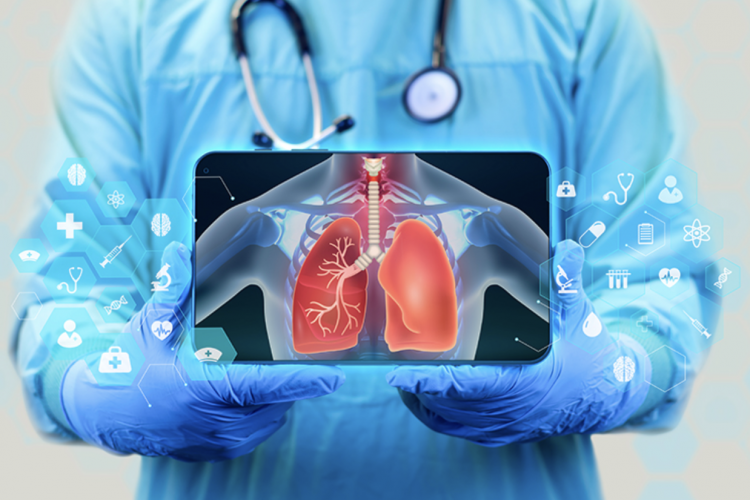
Lung Cancer Symptoms in Non- Smokers – Is It Possible?

Can Non-Smokers Get Lung Cancer?
Yes. Lung cancer is not limited to smokers. While smoking remains the biggest risk factor, people who have never smoked can also develop the disease. That is exactly why awareness matters. Many non-smokers ignore early changes because they do not think they are at risk. Knowing lung cancer symptoms early can help people seek timely medical advice instead of dismissing them as minor chest problems or weakness.
Lung Cancer Symptoms in Non-Smokers
The lung cancer symptoms in non-smokers are usually the same as in smokers. Common warning signs include:
● Persistent cough – a cough that does not go away or keeps getting worse
● Shortness of breath – feeling breathless during routine activity or at rest
● Chest pain – discomfort or pain that may worsen with coughing or deep breathing
● Fatigue – unusual tiredness that does not improve with rest
● Unexplained weight loss – losing weight without dieting or exercise changes
● Coughing up blood – even a small amount should never be ignored
These symptoms can also happen in infections or other lung conditions, but if they continue, they deserve proper evaluation.
Why Does Lung Cancer Occur in Non-Smokers?
When people ask about lung cancer causes in non-smokers, the answer is usually a mix of environmental and biological factors. Some known risks include:
● Air pollution
● Passive smoking or long-term secondhand smoke exposure
● Radon gas exposure
● Genetic factors or inherited risk
● Occupational exposure to asbestos and certain chemicals
Not every non-smoker with lung cancer will have a clear cause, but these factors are well recognized in medical literature.
Early vs Advanced Symptoms
Early Symptoms
Early or mild symptoms are often easy to overlook. These may include:
● Mild cough
● Slight breathlessness
● Ongoing fatigue
These early lung cancer symptoms may seem harmless at first, which is why diagnosis can sometimes be delayed.
Advanced Symptoms
As the disease progresses, symptoms may become more obvious, such as:
● Severe chest pain
● Persistent cough with blood
● Significant weight loss
● Marked breathing difficulty
The key difference is persistence and progression. A symptom that keeps worsening should never be brushed aside.
When Should Non-Smokers See a Doctor?
Non-smokers should see a doctor if lung cancer symptoms last more than 2 weeks, keep coming back, or become worse over time. A persistent cough, blood in sputum, unexplained weight loss, chest pain, or repeated breathlessness should be checked early. It is always better to rule out a serious problem than to wait too long.
Diagnosis of Lung Cancer
Lung cancer diagnosis usually starts with imaging and then moves to tests that confirm the exact problem. Doctors may advise:
● Chest X-ray – may show an abnormal shadow or suspicious area
● CT scan – gives a more detailed picture of the lungs
● PET scan – helps assess spread in some cases
● Biopsy – confirms whether cancer cells are present
A biopsy is usually needed for a definite diagnosis and to guide treatment planning.
Treatment Options for Lung Cancer
Lung cancer treatment depends on the type of cancer, stage, overall health, and test results. Common treatment options include:
● Surgery – to remove the tumour when possible
● Chemotherapy – medicines that kill cancer cells
● Radiation therapy – targeted radiation to destroy cancer cells
● Targeted therapy – treatment aimed at specific genetic changes in the cancer
● Immunotherapy – helps the body’s immune system fight cancer
Many patients receive a combination of treatments rather than just one.
Prevention and Risk Reduction Tips
You cannot prevent every case, but steps to prevent lung cancer risk include:
● Avoid passive smoking
● Reduce exposure to air pollution where possible
● Maintain a healthy lifestyle with exercise and good nutrition
● Go for regular health checkups, especially if symptoms persist
These steps do not guarantee prevention, but they can reduce risk and support earlier detection.
Consult the Best Oncologist in Pune
If you notice symptoms that are not settling, do not delay specialist advice. Consulting the best oncologist in pune can help with accurate diagnosis, timely testing, and a treatment plan tailored to the exact type of lung cancer. Early expert review often makes a major difference in what happens next.
Why Choose Expert Cancer Care?
Good cancer care is not only about treatment. It is also about clarity, speed, and confidence.
● Experienced oncology team
● Advanced diagnostic facilities
● Personalized treatment approach
● Comprehensive cancer care
When symptoms are caught early and handled by the right team, patients usually have a clearer path forward.
FAQs
Can Non-Smokers Really Get Lung Cancer?
Yes. People who have never smoked can still develop lung cancer. Secondhand smoke, radon, air pollution, workplace exposures, and genetic factors may all play a role.
What Are Early Symptoms Of Lung Cancer In Non-Smokers?
Early symptoms may include a mild persistent cough, slight breathlessness, tiredness, or unexplained weight loss. These signs are often subtle, which is why they are sometimes ignored.
What Causes Lung Cancer Without Smoking?
Possible causes include passive smoking, radon gas, air pollution, asbestos or chemical exposure, and inherited risk. Sometimes, no single clear cause is found.
How Is Lung Cancer Diagnosed?
Doctors may start with a chest X-ray or CT scan. PET scan can help in selected cases, but biopsy is usually needed to confirm the diagnosis.
Is Lung Cancer Treatable In Non-Smokers?
Yes. Treatment may include surgery, chemotherapy, radiation therapy, targeted therapy, or immunotherapy. The exact plan depends on the type and stage of cancer.
When Should I Consult An Oncologist?
You should seek medical advice if symptoms last more than 2 weeks, worsen, or include coughing up blood, chest pain, weight loss, or ongoing breathlessness.

Comments are closed.