

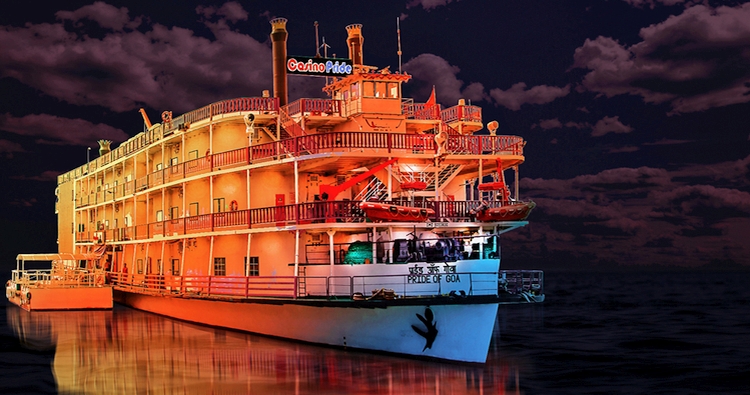
Formal protest against floating casinos on the Mandovi River and a new movement headquarters in Panaji
India’s civic movement Enough is Enough on Tuesday filed a formal protest against the operation of floating casinos on the Mandovi River, which runs through the capital of the state of Goa. On the same day, the organization opened a permanent headquarters in Panaji, signaling its intention to pursue the campaign in a structured, ongoing manner and on a permanent basis. The event drew the attention of local and federal media, as six floating casinos off the coast of Goa have long remained a sore point in regional politics.
Grassroots movement with an environmental focus
Enough is Enough describes itself as a grassroots initiative born out of residents’ frustration in coastal villages. Its main stated goal is the complete shutdown of offshore casinos operating from vessels. The protest is backed by broad support from the local population and aligns with a broader environmental drive that in recent years has been gaining momentum in several Indian states.
Former Chief Justice Ferdino Rebello lends legal weight to the campaign
The public face of the movement has become Ferdino Rebello, a former Chief Justice whose involvement adds legal credibility to the initiative. Rebello has already sent several formal letters to Goa Chief Minister Pramod Sawant and stated his intention to continue communicating with the state government.
Why Goa residents are against casinos on the river
The grievances that have been building up for years among local communities can be grouped into several categories:
- environmental damage to the Mandovi River ecosystem;
- congested river traffic and disrupted navigation;
- a negative impact on traditional fishing that sustains coastal villages.
This is compounded by a legal argument. According to activists, floating casinos violate India’s gambling laws (the Gambling Act), and their very presence on the river is legally vulnerable.
“I will write to the authorities again and explain why these casinos cannot operate there,” Rebello told journalists in Panaji. “If the government does not respond, people will have to think about whether another authority should take up this issue.”
The fight against unchecked development goes beyond the casino issue
The movement is taking its agenda beyond the gambling business. Rebello emphasized that Enough is Enough is taking the message to residents and to talukas (sub-district administrative units) — administrative units grouping clusters of villages. The organization has prepared a draft resolution for local elected officials, calling on them to curb excessive development and reject rushed applications for the conversion of agricultural land to commercial use.
The state’s identity and the Konkani language are under threat
Activists claim that unchecked construction not only destroys the environment but also creates an excessive burden on energy infrastructure. Moreover, in their assessment, the pace of development could change Goa’s very identity, undermine cultural heritage, and weaken the status of Konkani, which is spoken by most local residents. These claims were reported by The Navhind Times.
A federal ban and the Goa exception
Nationwide, casinos are banned; however, a number of states, including Goa, are allowed to permit gambling within their borders. Today, 13 casinos operate in the state: seven land-based and six floating, operating on the Mandovi River.
Supporters of allowing floating casinos note that currently gambling enthusiasts in India have no legal alternative due to tighter regulations. However, they do have access to offshore platforms that offer a catalog of thousands of games via their websites and apps.
To understand how many such platforms are available in the country, we reviewed several rankings featuring popular games. We see page listing online casinos offering the Lightning Storm live show and found that virtually all major operators are available in India. — amounting to dozens of brands.
However, such gambling would be illegal, and players cannot rely on legal protection from the state. In addition, the government actively blocks thousands of illegal sites, which means players risk losing their money as well.
License fees are rising, but there will be no new vessels
In March, Chief Minister Pramod Sawant announced a threefold increase in license fees for new land-based operators. At the same time, he emphasized that the number of offshore casinos is capped at six and that the issuance of additional river/offshore licenses is not planned. The increase, Sawant said, applies only to applications to open land-based venues.
Relocation promises never materialized
For several years, Goa’s authorities promised to relocate floating casinos from the Mandovi to other waterways; however, none of these decisions was implemented. A fresh source of tension has been protests over a large casino ship with a capacity of 2,000 passengers, which, according to opponents, is supposed to replace an existing smaller vessel. The Goan reported.

Comments are closed.