

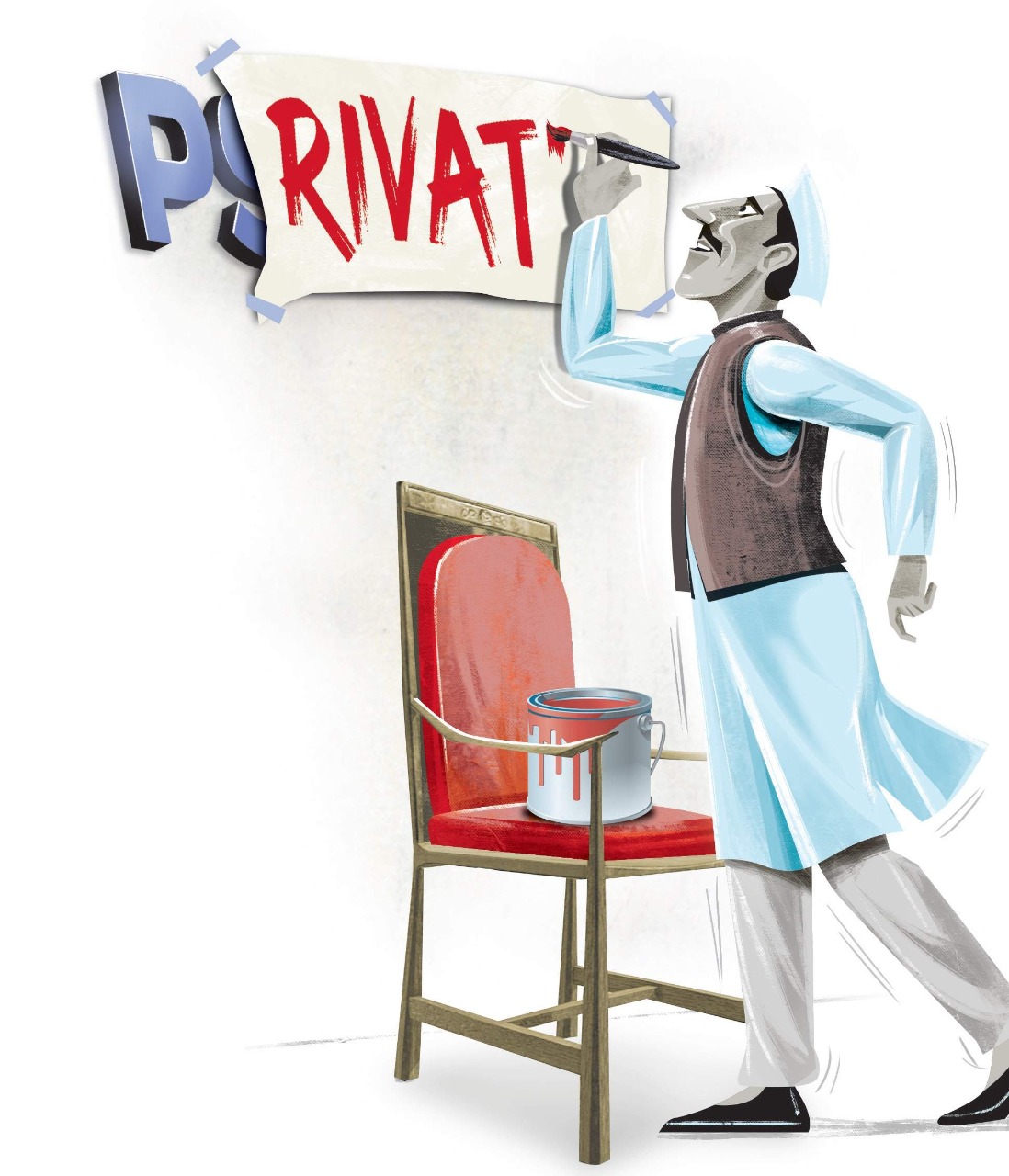
Abolishing subsidies, privatising banks, jobless youth: Where are we headed?
Ten News Network
Back in 2014, India had a vision. A vision that was overflowing with optimism and hope – of a future that would be better and bright. For all we could fathom, the country’s environment since then remained anything but optimistic.
Be it the surging fuel prices – which have touched 100 at many places, or the vanishing subsidies on LPG, agricultural electricity etc. don’t exactly look like a sign of a surging India.
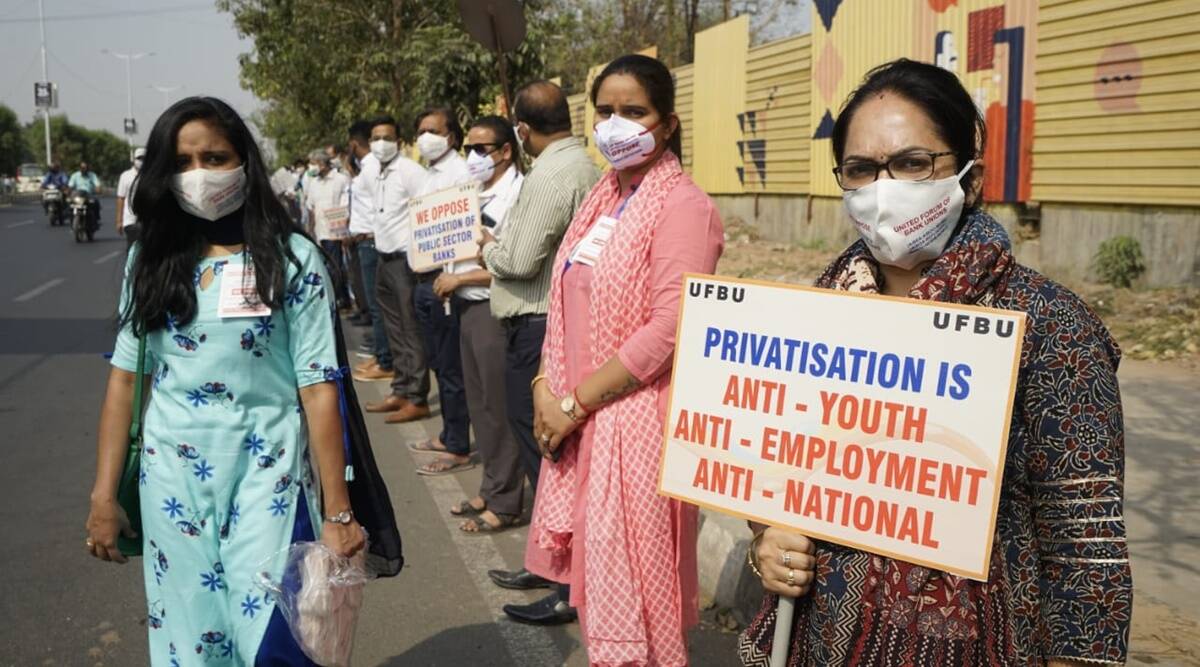
If we just talk of today, March 16, lakhs of bank employees were on road to protest against the government’s plan of privatizing many banks. There was palpable anger among the masses.
“They are selling PSUs, giving airports on lease, privatizing banks and what not. If everything will be done by the private players only, then why do we need government at first place? Desh to East Indian Company ne bhi chala liya tha to fir se governance bhi private kar dein,” roared a youth at the bank associations’ protest at Jantar Mantar on Tuesday. Striking Bank Unions have said in their statement that the privatisation of public sector banks is an anti-worker, anti-people, and anti-social step.
Bankers are not alone to be dissatisfied by this government. They are only an added number in a large segment that includes farmers, students, employees working in PSUs, jobless youth of the country among others.
With observance of Anti-privatisation Day on March 15, 2021, the movement against proposed large scale privatisation of Public Sector Undertakings in India will enter a new phase, during which the Modi government will have to face stiff organised resistance not only from the workers’ union of the PSUs but also from the unions, federations, and employees associations from other sectors.
Prime Minister Narendra Modi led government has often defended the privatization drive by asserting that government has no business to be in business. However, a question here is whether making a company privately-run is better than keeping it where it is? If one looks at the private corporate sector, the performance is not always very good if one moves away from the top 100 companies.
Moreover, the private sector does not create jobs, which was a mandate of the public sector. And a country which is already reeling with lack of jobs, will it be able to survive through such a move. Take for instance the Vacancies for IBPS Probationary Officer which were 21,680 in 2013, was reduced to 12,434 in 2015, 3562 in 2017, and finally 1,167 in 2020, a 95 per cent cut in seven years.
Exams such as SSC or railway recruitment have faced delays after delays due to paper leak, court cases or the pandemic.
All in all, the scenario in the job market doesn’t look exactly very bright. Where are we headed too, is a question that can really frighten many dreamers of the 21st century India.
