

AI Script to Video Ads: How Automated Ad Creation Actually Works Now
Marketing teams have been promised automated video ad creation for years. The reality has mostly been templated slideshows with stock footage and robotic voiceovers — output that looks unmistakably like a machine made it. The latest generation of tools claims to close that gap between scripted concept and finished video ad. Here is what the technology actually delivers today and where the limits remain.
From Script to Screen Without the Production Pipeline

The core promise is straightforward: paste a script, receive a video ad. AI Script to Video Ads through Pollo AI represents the current state of this approach, combining AI-powered visuals with studio-level production elements to generate ready-to-use video ads from text input.
The practical workflow eliminates storyboarding, footage sourcing, editing, and rendering as separate steps. For marketing teams running multiple campaigns simultaneously, this compression matters more than any individual quality improvement. A process that required days of coordination between copywriters, videographers, and editors collapses into minutes.
But “minutes” and “ready to publish” are not always the same thing. The gap between generated output and brand-polished content still requires human judgment — reviewing tone, checking visual accuracy against product reality, and ensuring the ad communicates what the script intended rather than what the AI interpreted.
What Goes Into the Black Box
Modern script-to-video tools accept more than plain text. Product URLs, reference images, and campaign briefs can all serve as input, with the AI pulling product details, visual style cues, and offer information to construct the video. Pollo AI’s approach turns URLs, images, and ideas into video ads designed to clarify offers and strengthen buyer intent.
This multi-input approach addresses a real problem: scripts alone lack visual context. Telling an AI “show the product in use” means nothing without product reference material. The richer the input, the less correction the output needs.
The question worth asking before adopting any tool: how much does output quality degrade when inputs are minimal? A tool that produces impressive results only with exhaustive briefing documents saves less time than it appears to.
Where AI Ad Generation Fits in the Workflow
These tools make the strongest case for specific use cases:
- High-volume testing — generating multiple ad variations from a single script to test messaging angles, visual styles, and pacing across platforms
- Speed-sensitive campaigns — flash sales, trending topics, or competitive responses where production timeline matters more than polish
- Early-stage concepts — visualizing ad ideas before committing production budget to full shoots
- Social media content — platform-native formats where production standards differ from broadcast advertising
The weakest case is for brand flagship content where every frame carries strategic weight. AI-generated ads currently lack the intentional imperfection and emotional specificity that distinguishes memorable advertising from competent advertising.
Understanding the Competitive Landscape
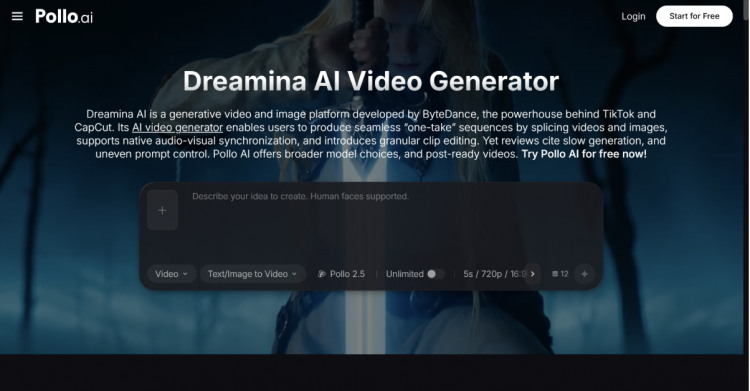
The script-to-video space is not monolithic. Dreamina AI offers its own approach to AI video generation, promising to turn concepts into polished, professional videos in under two minutes. Dreamina’s script-to-video feature specifically targets users who want to convert AI video scripts into stunning output with voice, visuals, and professional-level effects.
Each platform makes similar top-level promises. The differences that matter are granular: how well each handles specific product categories, which visual styles they default to, how much control users retain over pacing and transitions, and whether the output genuinely matches the input script’s intent or merely approximates it.
Practical Evaluation Framework
Before committing to any AI ad generation workflow, test these specific dimensions:
Script fidelity — Does the video actually communicate what your script says, or does it generate loosely related visuals? Run the same script through the tool three times and compare how consistently it interprets your intent.
Brand consistency — Can you maintain visual identity across multiple generated ads? Logos, color palettes, typography, and tone need to remain coherent across a campaign, not just within a single video.
Platform optimization — Does the output account for where the ad will run? A vertical video optimized for mobile feeds differs fundamentally from a landscape pre-roll ad, and the tool should handle both without manual reformatting.
Edit accessibility — When the AI gets something 80% right, how easily can you fix the remaining 20%? Tools that produce locked, uneditable output create a frustrating binary between accepting flawed content and regenerating from scratch.
The Honest Assessment
AI script-to-video technology has crossed the threshold from novelty to utility. The output is usable for performance marketing, social content, and rapid iteration. It is not yet reliable enough to replace considered creative production for high-stakes campaigns.
The most effective approach treats these tools as accelerators within an existing workflow rather than replacements for creative judgment. Use them to generate, test, and iterate faster — then apply human expertise to refine what the AI produces into something that genuinely represents your brand and message.
The technology will continue improving. The marketers who benefit most will be those who learn its current capabilities and limitations through direct experimentation rather than waiting for perfection.

Comments are closed.