

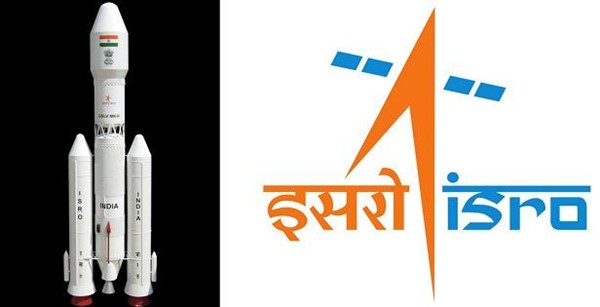
India Targets Its Own Space Station by 2035, First Module Already Approved: ISRO Chief
TEN NEWS NETWORK
National News (26/08/2026): India is moving steadily towards one of the most ambitious milestones in its space journey — the establishment of an indigenous space station by 2035. ISRO Chairman Dr V. Narayanan announced that the first module of the proposed Bharatiya Antariksha Station (BAS) has already received approval, marking a significant step towards India’s long-term human spaceflight programme.
Addressing the celebrations organised to mark the third National Space Day in Ahmedabad, Dr Narayanan said India is entering a new phase of space exploration, driven by innovation, wider collaboration and an expanding role in the global space sector.
“The first module has already been approved, and our objective is to establish India’s own space station by 2035,” he said while outlining the country’s future roadmap.
From Space Missions to Everyday Applications
Highlighting the growing reach of India’s space programme, the ISRO chief said space technology is no longer limited to scientific research or satellite launches. According to him, India is now using space-based technologies and applications across more than 50 areas that directly contribute to public services and national development.
These applications support sectors ranging from communication, navigation and weather forecasting to agriculture, disaster management, resource mapping and other citizen-focused services.
Dr Narayanan said the theme of this year’s National Space Day — innovation, collaboration and the aspiration for global leadership in the space sector — reflects India’s larger vision of strengthening its position among the world’s leading spacefaring nations.
The proposed Bharatiya Antariksha Station is expected to become a major pillar of that vision, enabling India to pursue sustained human presence and advanced scientific research in low-Earth orbit.
Chandrayaan-3 Success Continues to Shape India’s Space Vision
Union Minister Gajendra Singh Shekhawat, who also participated in the National Space Day celebrations, recalled the historic success of the Chandrayaan-3 mission and its importance in shaping India’s future space ambitions.
India created history on August 23, 2023, when the Chandrayaan-3 mission successfully achieved a soft landing near the Moon’s south polar region. The landing site was subsequently named Shiv Shakti Point.
The achievement not only placed India among a select group of nations to successfully land on the Moon but also made it the first country to reach the lunar south polar region.
Following the mission’s success, the Government of India declared August 23 as National Space Day, which is now celebrated every year to recognise the country’s achievements and inspire future generations in the fields of science, technology and space exploration.
Private Sector Participation Expands India’s Space Ecosystem
Shekhawat also highlighted the transformation taking place in India’s space ecosystem following policy reforms aimed at increasing private sector participation.
He said the opening up of the sector has created fresh opportunities for private companies, startups, researchers and technology developers to participate in activities that were earlier largely led by government institutions.
According to the Union Minister, greater private participation has not reduced ISRO’s responsibilities. Instead, it has strengthened the country’s overall operational capacity and allowed India’s space ecosystem to expand at a faster pace.
The growing involvement of private players is also helping accelerate the development of space-related technologies, satellite systems, payloads and launch capabilities.
He noted that several processes that previously required longer development cycles are now being completed more efficiently, reflecting the rapid advancement of India’s technological capabilities and industrial participation in the space sector.
Gaganyaan and Space Station: India’s Next Giant Leap
India’s space programme has undergone a remarkable transformation since its early years, when the primary focus was on building indigenous satellite and launch capabilities.
Today, the country’s ambitions extend far beyond Earth observation and communication satellites. ISRO is preparing for human spaceflight through the Gaganyaan programme, while simultaneously working towards advanced lunar exploration and the development of the Bharatiya Antariksha Station.
The proposed space station represents the next major phase of India’s journey in space. While Chandrayaan missions demonstrated India’s ability to carry out complex planetary exploration, Gaganyaan and the Bharatiya Antariksha Station are expected to push the country towards sustained human activity beyond Earth.
With the first module now approved and a target of establishing the station by 2035, India is laying the foundation for a long-term human presence in space.
The announcement at the National Space Day celebrations underlined the scale of India’s future ambitions — from achieving a historic landing on the Moon to sending Indian astronauts into space and eventually building an indigenous orbital station.
As India expands its technological capabilities, strengthens collaboration with private industry and develops new space applications for public benefit, the country is positioning itself for a larger and more influential role in the global space economy.
The journey ahead, led by programmes such as Gaganyaan and the proposed Bharatiya Antariksha Station, signals that India’s next chapter in space exploration will focus not only on reaching new destinations but also on establishing a sustained human presence beyond Earth.
Dear Readers and Viewers, Please note that tennews.in: National News Portal daily publishes latest and top ten news from government, politics, national, business, education, technology, lifestyle, entertainment, health etc ten categories. You may submit your e mail and subscribe it to get updates on your e mail. Please also subscribe TEN NEWS NATIONAL YouTube Channel.

Comments are closed.