

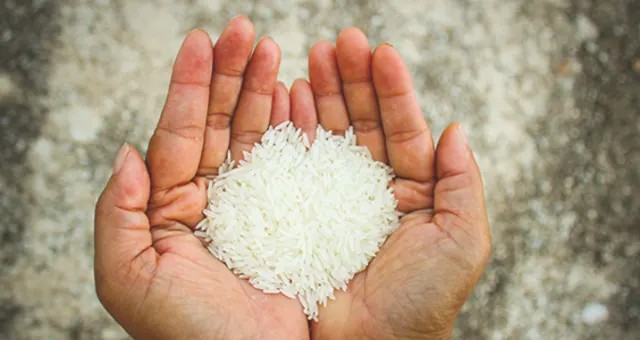
New Delhi, 14th July 2023: India is considering a ban on the export of a number of rice types. If enacted, this suggested approach might further raise the already increasing worldwide prices of this critical food staple, especially if the disruptive El Nio weather phenomenon reemerges. India is the world’s largest rice exporter.
Government authorities are presently in talks on limiting the export of non-Basmati rice, according to people familiar with the situation who spoke to Bloomberg.
According to these individuals, who requested anonymity owing to the sensitive nature of the information, the goal of this suggestion is to reduce the possibility of heightened inflation ahead of approaching elections.
The decision by India to prohibit rice exports will have a substantial impact, affecting nearly 80% of India’s rice exports. While this action may cut domestic prices, it also increases the possibility of global costs rising even further.
Rice is a vital staple for almost half of the world’s population, with Asia alone accounting for roughly 90% of worldwide rice consumption.
Concerns about the return of the El Nio weather phenomena have already lifted benchmark prices to a two-year high, boosting fears of potential crop damage and worsening the global rice market’s upward trajectory.
India, a major player in the global rice trade,
accounts for over 40% of the total. Recently, the country has taken steps to tighten control over the trading of specific rice varietals. Notably, in 2022, India banned the export of broken rice.
In addition, a 20% levy was imposed on shipments of white and brown rice in reaction to the rise in food staple prices caused by Russia’s invasion of Ukraine, which affected commodities such as wheat and maize.
Furthermore, India has imposed restrictions on wheat and sugar exports, showing a coordinated attempt to regulate the trade in these critical food commodities.
Representatives from the food, trade, and finance ministries have not responded to any queries yet.
This year, importers such as Indonesia, China, and the Philippines have been aggressively storing rice. According to the World Meteorological Organisation, El Nio conditions have arisen in the tropical Pacific for the first time in seven years, threatening to cause drought in several rice-growing countries. A prospective ban by India will only worsen supply concerns.
India’s plan comes as consumer price inflation accelerated in June, owing primarily to higher food prices. Bloomberg Economics, forecasts inflation to rise further as tomato prices, a prominent ingredient in Indian cuisine, rise and the government’s support price for monsoon-sown crops rises.
