

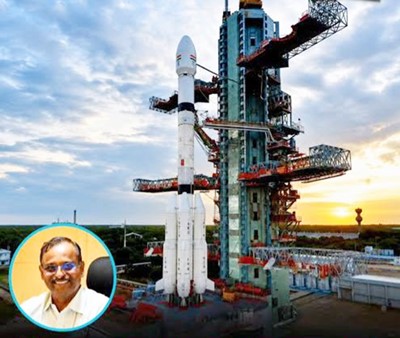
ISRO GSLV-F17 Ready for Launch, GISAT-1A Mission Set for September 4
TEN NEWS NETWORK
National News (31 August 2026): The Indian Space Research Organisation (ISRO) has stepped up preparations for its next major space mission, with the GSLV-F17 rocket moved to the Second Launch Pad at the Satish Dhawan Space Centre (SDSC) in Sriharikota on Saturday.
Standing around 52 metres tall, the Geosynchronous Satellite Launch Vehicle (GSLV-F17) was transported to the launch pad at around 8 am as part of the final phase of preparations. ISRO is scheduled to launch the mission on September 4, 2026.
The rocket will carry the approximately 2,200-kg GISAT-1A Earth observation satellite, designed to provide frequent and near-real-time imagery of large areas of the Earth’s surface. The satellite is expected to strengthen India’s capabilities in monitoring agriculture, forests, water bodies and environmental changes.
GISAT-1A to Boost Disaster and Weather Monitoring
One of the key applications of GISAT-1A will be the monitoring of natural disasters and severe weather events. Data from the satellite could assist authorities in tracking cyclones, cloudbursts, thunderstorms and other rapidly developing weather phenomena. Timely satellite imagery is expected to support government agencies in assessing changing conditions, improving early-warning capabilities and strengthening disaster-management preparedness.
How the GSLV-F17 Mission Will Work
During the mission, GSLV-F17 will initially place GISAT-1A into a Sub-Geosynchronous Transfer Orbit (Sub-GTO). The satellite will then use its onboard propulsion system to gradually raise its orbit and reach the designated geosynchronous orbit. The mission is also significant because GISAT-1A is intended to fulfil the role originally planned for the GISAT-1 satellite. The earlier satellite could not be successfully placed into orbit during the GSLV-F10 mission in 2021, following a technical problem during the launch.
Important Mission for ISRO in 2026
The upcoming launch will mark the 19th flight of India’s GSLV programme, adding another important milestone to the country’s heavy-lift launch vehicle programme. The September 4 mission also carries added significance for ISRO’s 2026 launch calendar. Following the failure of the PSLV-C62 mission in January, the agency has faced a challenging year in terms of orbital launches.
Against this backdrop, the successful deployment of GISAT-1A by GSLV-F17 would be an important achievement for ISRO and could provide a major boost to India’s Earth-observation and space-based monitoring capabilities. With the rocket now positioned at the launch pad, attention is focused on the final checks and countdown ahead of the September 4 GSLV-F17 launch.
Dear Readers and Viewers, Please note that tennews.in: National News Portal daily publishes latest and top ten news from government, politics, national, business, education, technology, lifestyle, entertainment, health etc ten categories. You may submit your e mail and subscribe it to get updates on your e mail. Please also subscribe TEN NEWS NATIONAL YouTube Channel.

Comments are closed.