

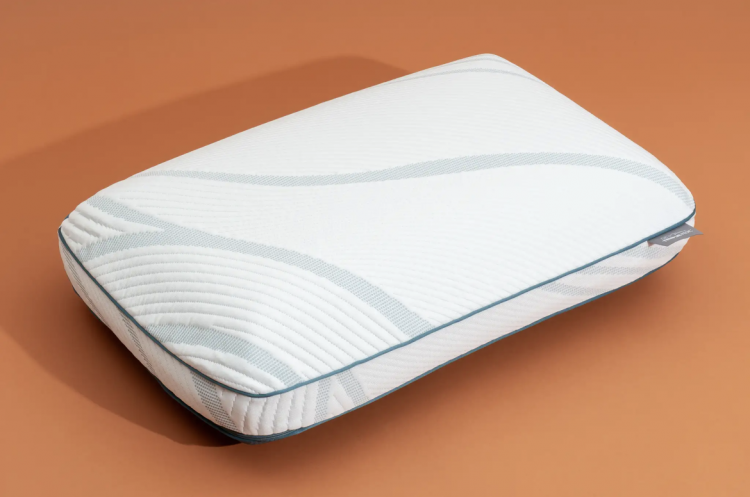
Memory Foam Pillow: Benefits, Types, and How to Pick the Right One
The right pillow should support your head and neck without creating uncomfortable pressure or awkward angles. A memory foam pillow responds gradually to body warmth and pressure, creating close contouring around these areas. However, different designs vary considerably in loft, firmness, airflow, and responsiveness.
Your sleeping position and movement patterns should guide the final choice more than material alone. Understanding available memory foam pillow types helps you find balanced support that matches your mattress, body shape, and preferred sleeping position.
What is a Memory Foam Pillow?
A memory foam pillow uses viscoelastic Polyurethane (PU) foam that changes shape when exposed to warmth and pressure. The material contours around your head and neck, helping distribute pressure across a broader contact area.
Unlike traditional loose-fill pillows, memory foam usually maintains a more defined structure throughout regular use. Options include solid blocks, shredded fill, molded designs, and contoured pillows for different support preferences.
What are the Benefits of Memory Foam Pillows?
A properly selected memory foam pillow can combine cushioning, pressure relief, and consistent head and neck support.
Key benefits include:
- Pressure Relief
Contouring distributes pressure around the head, neck, shoulders, and surrounding contact points.
- Spinal Alignment
Appropriate loft helps keep your head aligned with your neck and upper spine.
- Shape Retention
Solid foam maintains a defined profile without requiring frequent fluffing during regular use.
- Motion Response
Foam compresses quietly when you adjust your head or change sleeping positions.
- Consistent Cushioning
Dense foam provides stable support without shifting loose filling throughout the night.
However, traditional memory foam can retain more heat than several other pillow materials. Ventilated and shredded constructions usually create additional airflow between individual foam sections.
What Types of Memory Foam Pillows Can You Choose?
Not every memory foam pillow provides the same sleeping feel or level of adjustability.
- Solid Memory Foam
Solid foam uses one continuous block that contours evenly around your head and neck. These pillows generally offer stronger structure but recover more slowly after movement.
- Shredded Memory Foam
Shredded foam contains smaller foam pieces that sleepers can reshape more easily during sleep. Some designs allow fill removal, making loft and firmness easier to customize.
- Contour Memory Foam
Contour designs typically use curved surfaces that support the neck while cradling the head. Their structured profile commonly suits back and side sleepers seeking more defined cervical support.
How do You Choose the Right Memory Foam Pillow?
Choosing a memory foam pillow starts with matching loft and firmness to your usual sleeping position. Loft describes pillow height and influences the angle between your head, neck, shoulders, and mattress.
|
Sleeping Position |
Typical Loft |
Main Support Requirement |
|
Side Sleeping |
Medium to high |
Fill the shoulder-to-head space |
|
Back Sleeping |
Medium |
Keep the head neutrally positioned |
|
Stomach Sleeping |
Low |
Reduce excessive upward neck bending |
|
Combination Sleeping |
Adjustable or medium |
Support changing positions comfortably |
Side sleepers generally need greater loft because their shoulders create more space beneath the head. Back sleepers typically need medium loft, while stomach sleepers usually require thinner, softer support.
If you are wondering, “Which pillow works best if I frequently change sleeping positions?”, prioritize adjustability and moldability. Shredded memory foam allows sleepers to reshape their pillow and modify loft more easily. Adjustable loft can accommodate changing support requirements when moving between back, side, and stomach positions.
Firmness should also match how deeply your head naturally sinks into the memory foam pillow.
- Side sleepers generally benefit from enough firmness to prevent excessive head sinkage.
- Back sleepers usually need moderate cushioning with sufficient support beneath the natural neck curve.
- Stomach sleepers generally require softer support that keeps the head closer to mattress level.
- Combination sleepers benefit from responsiveness and adjustability that make position changes easier.
Mattress firmness also matters because deeper mattress sinkage changes the pillow height needed for alignment.
Choose Support That Fits the Way You Sleep
Choosing the right memory foam pillow means matching support, loft, firmness, and airflow with your sleeping position. Combination sleepers may prefer adaptable designs, while consistent sleepers often benefit from stable molded support.
Brands like Kurlon also offer memory foam pillow options described as CFC-free and environmentally friendly. These options use molded PU foam to provide structured cushioning around the head and neck. Compare your comfort needs carefully, then choose a pillow that supports relaxed, well-aligned sleep.

Comments are closed.