

PM Modi ends the exam leak standoff, clears path for reform
New Delhi, July 24 (IANS) Prime Minister Narendra Modi’s personal intervention in the standoff involving the fasting activist Sonam Wangchuk, protesting students, and others involved in the ongoing stir against exam-paper leak has been both decisive and symbolic.
For weeks, the impasse had deepened, with Wangchuk’s fast entering a critical phase, student groups intensifying demonstrations, and the government facing acute pressures from civil society and the Opposition benches alike. By opening direct channels of dialogue with Wangchuk and student leaders simultaneously, PM Modi signalled that his government was willing to listen, negotiate, and act.
At the same time, he ensured concrete steps aimed at addressing the root causes of the protests, particularly greater transparency, fairness, and accountability in public examinations and recruitment processes. One of the notable outcomes of this intervention was the announcement of fast-track courts dedicated to cases of examination malpractice, and related offences.
When judicial process takes time, it often erodes public faith in the system. Here, the promise of swift adjudication was seen as a statement of intent. By ensuring that such cases are resolved fairly and promptly, the government thus hopes to restore credibility to institutions that have been tarnished by repeated scandals.
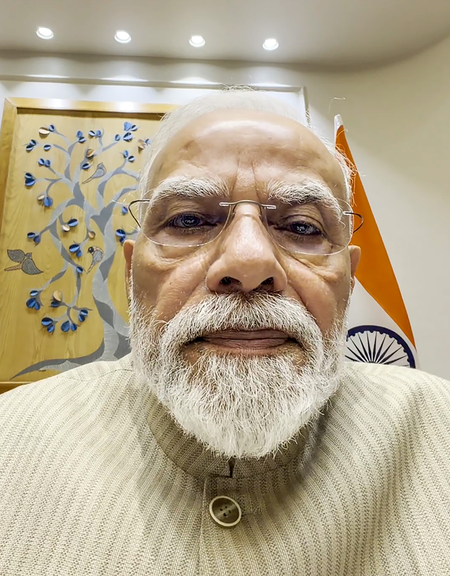
In a video message, the Prime Minister further pledged introducing a strict law to check exam-paper leaks.
And on Friday, according reports, the Union Cabinet approved a Bill and related provisions aimed at setting up fast-track courts and introducing harsher punishment in cases of paper leaks and exam malpractices.
The proposed legislation is expected to be introduced in Parliament next week to be passed as law, added reports. This also puts the ball in Opposition court who has been protesting in Parliament on the issue, leading to an impasse.
Earlier, the Public Examinations (Prevention of Unfair Means) Act, 2024 was hailed as a landmark in India’s fight against organised exam malpractice, promising to safeguard meritocracy through stringent penalties and centralised enforcement. Yet, in some high-profile cases, the accused individuals managed to exploit ambiguities in the law, securing bail, and reportedly, even sometimes return to similar activities while cases were going on. There followed thoughts on closing the loopholes, introduce severe prosecution and penalties for those who abuse the system, further empower investigative agencies, and coordinate across state jurisdictions, among other possible amendments.
The Prime Minister’s approach reflected a blend of political pragmatism and governance dharma. On one hand, he has shown his government’s willingness to engage with dissenters rather than dismiss them outright. This move can now help defuse tensions and prevent any escalation.
On the other, he has leveraged the moment to push for systemic reforms that align with his broader narrative of efficiency, accountability, and zero tolerance for corruption.
Meanwhile, the government’s outreach at engaging with Sonam Wangchuk is not lost on observers. The 59-year-old engineer-activist, known for his work in sustainable education and environmental innovation, commands respect across ideological divides. His fast raised concerns among people and the government acknowledged the legitimacy of citizen-led activism in shaping policy.
Scepticism does remain, but the creation of fast-track courts and the drafting of a tougher law are concrete markers on which the government’s sincerity can be judged. But the success of these initiatives will depend on execution. If implemented effectively, these measures could set a precedent for responses in other sectors as well.
–IANS
jb/uk

Comments are closed.