
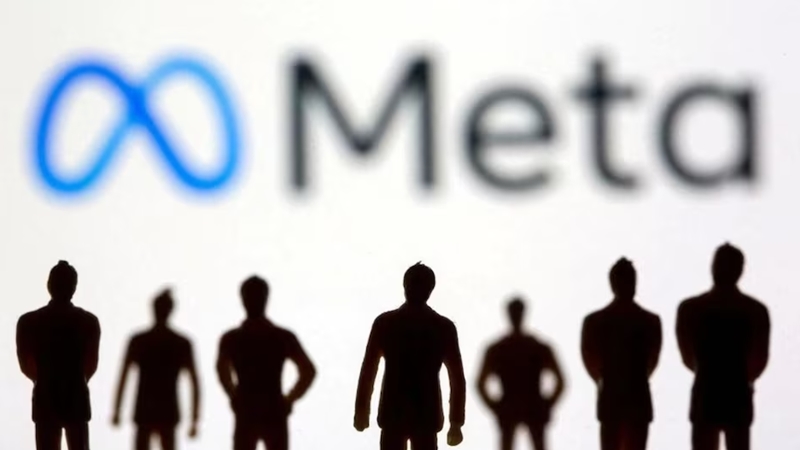
New Delhi (India), 27th July 2023: Meta, the parent company of Facebook, has struck an initial agreement with the Indian government to collaborate on artificial intelligence and other future technologies, during a visit to the nation by the company’s policy head and former British deputy prime minister Nick Clegg.
The goal of the Memorandum of Understanding (MoU) is to provide a framework for collaboration and cooperation between ‘India AI,’ the country’s official plan to support technology development, and Meta’s open-source AI models for usage by the Indian AI ecosystem.
The government stated in a news release on July 26 that India’s official AI project and Meta may consider establishing a Centre of Excellence to boost the AI startup ecosystem.
The government stated, “Leveraging Meta’s AI research models like LlaMA, Massively Multilingual Speech, and No Language Left Behind, the partnership will focus on building datasets in Indian Languages to enable translation and large language models, with priority given to low-resource languages.”
The statement further added, “This effort will foster social inclusion, improve government service delivery, and spur innovation using large language models, Generative AI, cognitive systems, and translation models.”
The collaboration will aim to improve access to AI computational resources for researchers, entrepreneurs, and organisations with low resources. Workshops, seminars, conferences, and other similar forums will encourage knowledge sharing and collaboration in AI and Emerging Technologies.
Nick Clegg, President, Global Affairs, Meta, said, “Meta’s open approach to AI innovation is complementary to India’s leadership on digital issues. Giving businesses, startups and researchers access to these technologies can open up a world of social and economic opportunities.“
He also added, “India AI’ is an exciting programme and with close collaboration between government and industry, we can strengthen India’s digital leadership and help to ensure AI tools are built for India’s unique needs.”
