

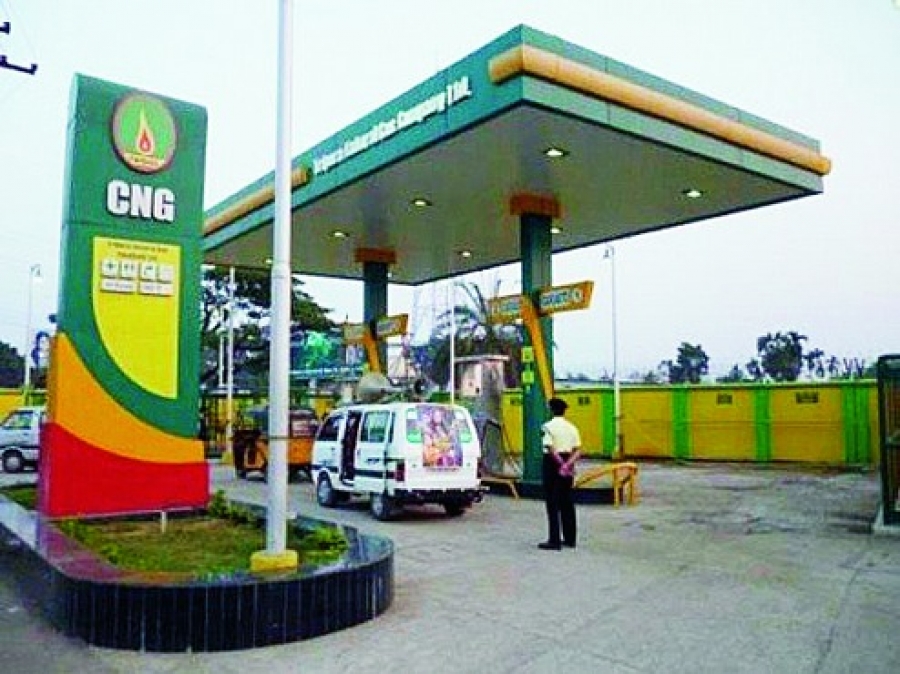
National News (29 August 2026): Commuters and commercial vehicle operators across Delhi-NCR are set to face higher running costs as the price of Compressed Natural Gas (CNG) has been increased by ₹3.89 per kg. The revised rates will come into effect from 6 am on Saturday, according to Indraprastha Gas Limited (IGL).
Following the latest revision, CNG in Delhi will cost ₹86.98 per kg, compared with the earlier rate of ₹83.09. This marks the fifth increase in CNG prices this year, adding further pressure on households and businesses that rely heavily on gas-powered vehicles.
CNG Rates Rise Across Key NCR Cities
The latest increase has pushed CNG prices significantly higher in several major cities across the National Capital Region.
Delhi: ₹86.98 per kg, up from ₹83.09
Noida and Ghaziabad: ₹95.59 per kg
Meerut: ₹95.47 per kg
Gurugram: ₹92.01 per kg
The variation in retail CNG prices between states is largely linked to differences in taxation, including state-level VAT structures, along with variations in supply and distribution costs.
Why Has CNG Become More Expensive?
IGL attributed the latest price revision primarily to a sharp increase in the cost of imported liquefied natural gas (LNG), elevated international gas prices and sustained growth in domestic CNG consumption. With domestic gas supplies unable to fully meet the rising requirement, a larger share of the gas used as input for CNG is being sourced through imported spot LNG. The increase in international LNG prices has consequently translated into higher procurement costs for city gas distributors.
The company said the latest revision was necessary to partly offset the increase in input costs while maintaining the supply of CNG to consumers.
Middle East Tensions Put Pressure on Global LNG Market
The latest CNG price increase comes amid continued volatility in the international natural gas market. The ongoing disruption surrounding the Strait of Hormuz has affected LNG transportation and raised concerns over the availability and cost of gas supplies.
Global LNG prices have climbed sharply compared with levels seen before the crisis. At the same time, stronger demand in Europe to replenish gas inventories ahead of the winter season has added another layer of pressure to the international market.
Asian LNG Benchmark More Than Doubles
The rise in international gas prices is reflected in the movement of the Japan Korea Marker (JKM), a key LNG pricing benchmark in Asia.
The benchmark stood at around $11 per MMBtu in February, but climbed to approximately $23.4 per MMBtu in August, representing more than a twofold increase.
A similar trend has been witnessed in Europe. The Title Transfer Facility (TTF) benchmark rose from roughly $11.3 per MMBtu in February to around $23.3 per MMBtu in August.
Such increases directly affect the cost of imported LNG and, in turn, can influence domestic gas prices in markets where imported supplies play a larger role.
Fifth CNG Price Increase of 2026
The latest ₹3.89-per-kg hike is the fifth CNG price increase recorded this year.
Earlier in May, IGL had raised CNG prices in multiple stages amid a surge in international energy prices linked to tensions in West Asia. The company had increased rates by a cumulative ₹6 per kg across four revisions within a 10-day period. The repeated revisions indicate the growing influence of global gas-market conditions on CNG pricing in the Delhi-NCR region.
Auto, Taxi and Goods Transport Operators Face Higher Costs
The price increase is likely to be felt most immediately by auto-rickshaw drivers, taxi operators, bus fleets and commercial goods carriers, many of whom depend on CNG to keep fuel expenses lower than conventional petrol or diesel alternatives.
For high-mileage commercial vehicles, even a few rupees of increase per kilogram can translate into a noticeable rise in monthly operating expenditure.
Transport operators could eventually seek adjustments in passenger fares or freight charges if elevated fuel costs persist. Businesses that depend on daily deliveries and CNG-powered fleets may also see their logistics expenses increase.
Impact on Household Budgets and Urban Transport
Although CNG remains relatively economical compared with several conventional automotive fuels, the latest increase could put additional pressure on commuters and small businesses already dealing with rising transportation expenses. The impact may extend beyond direct fuel users if higher operating costs prompt transport providers to revise fares. Increased freight expenses could also gradually feed into the cost of goods and services transported across the NCR.
IGL Says CNG Remains a Cost-Effective Fuel
Despite the latest revision, IGL maintained that CNG continues to offer consumers an economical alternative to other automotive fuels. However, the sharp movement in global LNG prices highlights the vulnerability of gas-based transportation costs to international energy-market disruptions. With demand for CNG continuing to expand in the capital region, future price movements are likely to remain closely linked to a combination of global LNG prices, imported gas costs, domestic gas availability, taxation and consumption trends.
Dear Readers and Viewers, Please note that tennews.in: National News Portal daily publishes latest and top ten news from government, politics, national, business, education, technology, lifestyle, entertainment, health etc ten categories. You may submit your e mail and subscribe it to get updates on your e mail. Please also subscribe TEN NEWS NATIONAL YouTube Channel.

Comments are closed.