

Former IAF Vice Chief Questions Tejas’ Future Relevance, CCto Accelerate Next-Gen Fighter Plans
TEN NEWS NETWORK
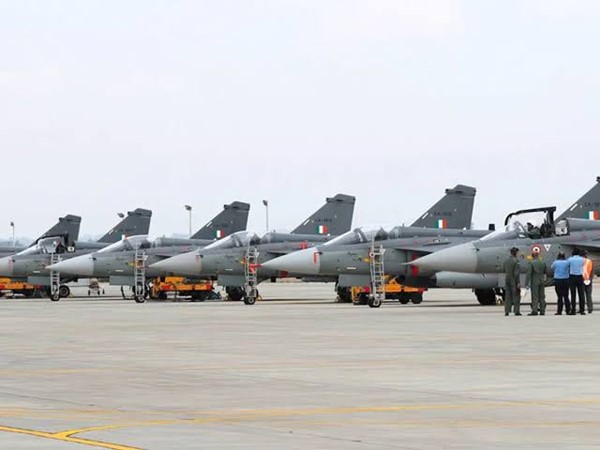
National News (23/08/2026): India’s indigenous fighter aircraft programme is facing renewed scrutiny over delivery delays and the future operational relevance of the Tejas platform, with former Indian Air Force Vice Chief Air Marshal Nagesh Kapoor (Retd) warning that the country cannot afford prolonged delays in building up its combat fleet.
Speaking to Media less than two months after his retirement, Air Marshal Kapoor expressed strong dissatisfaction over the continued delay in supplying Tejas aircraft to the IAF by Hindustan Aeronautics Limited (HAL). He also stressed that delays in fulfilling commitments should not leave the armed forces struggling to maintain their required operational strength.
Tejas Mk1A deliveries remain delayed
The induction of the indigenous LCA Tejas Mk1A into the IAF has been pushed back by several years. The programme has encountered multiple hurdles, including delays in the supply of F404-IN20 engines from US-based GE Aerospace, prolonged validation of mission software and stringent operational requirements. HAL is currently aiming to deliver the first batch of around 18-25 Tejas Mk1A aircraft to the IAF by March 2027.
Question mark over Tejas Mk2 in the 2030s
Air Marshal Kapoor was particularly critical when asked whether the more advanced Tejas Mk2 would retain sufficient operational value once large-scale induction begins around the middle of the 2030s. His response was unequivocal: he does not consider the aircraft likely to be operationally relevant at that stage.
The concern comes against the backdrop of China rapidly expanding its fifth-generation fighter fleet. China is projected to have around 500 J-20 stealth fighters in service by 2030, while India is yet to receive its first full squadron of Tejas Mk1A aircraft.
Tejas could still fill capability gaps
Despite his criticism, the former IAF vice chief did not dismiss the Tejas Mk2 altogether. He pointed out that even after India acquires advanced fifth- and sixth-generation combat aircraft, deploying such sophisticated platforms across every part of the country would not be practical. According to him, a substantial number of less complex but capable fighter aircraft would still be required to cover operational gaps and maintain adequate air defence across India’s vast geographical expanse.
Push for European partnership on sixth-generation fighters
Air Marshal Kapoor also advocated a strategic partnership between India and a European consortium involved in developing cutting-edge sixth-generation fighter technology. His suggestion reflects the growing need for India to look beyond immediate fighter shortages and simultaneously prepare for the next phase of air combat technology, particularly as major global powers move towards stealthier, network-centric and highly advanced sixth-generation platforms.
Dear Readers and Viewers, Please note that tennews.in: National News Portal daily publishes latest and top ten news from government, politics, national, business, education, technology, lifestyle, entertainment, health etc ten categories. You may submit your e mail and subscribe it to get updates on your e mail. Please also subscribe TEN NEWS NATIONAL YouTube Channel.

Comments are closed.