

How Modern Architecture Is Changing the Way We Design Our Homes
The way we think about our homes has changed considerably over the past decade. A house is no longer simply somewhere to live. Homeowners increasingly want spaces that support how they work, relax, entertain and spend time with family.
This shift is influencing modern architecture, with greater emphasis on natural light, flexible spaces, energy efficiency and a stronger relationship between the home and its surroundings.
While architectural styles vary considerably between countries and regions, several principles are becoming increasingly common in contemporary residential design.
More Natural Light
Natural light has become one of the defining features of modern homes. Larger windows, rooflights, glazed doors and open-plan layouts can all help bring daylight deeper into a property.
It isn’t simply an aesthetic decision. The orientation of a home and the positioning of windows can influence how rooms feel throughout the day, as well as affecting heating and cooling requirements.
This means architects and designers increasingly consider sunlight and orientation at an early stage of the design process rather than treating windows as something added later.
Homes Are Becoming More Flexible
The traditional approach of giving every room a single purpose is also changing.
Working from home has accelerated demand for flexible spaces that can adapt as people’s circumstances change. A spare bedroom might also function as an office, while open-plan living areas are increasingly being designed with separate zones for cooking, dining and relaxing.
Good architectural design has to consider how these spaces will actually be used rather than focusing purely on appearance.
For anyone considering building your first home, thinking about how requirements might change in five, ten or even twenty years can be just as important as deciding what is needed today.
Architecture Is Becoming More Connected to Place
One of the more interesting developments in contemporary architecture is the renewed focus on designing buildings around their surroundings.
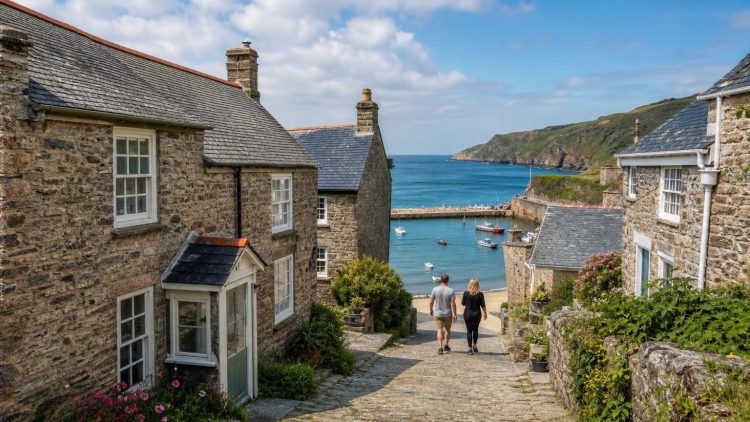
Modern doesn’t necessarily have to mean removing all traces of traditional architecture. In areas with a strong architectural identity, contemporary buildings can incorporate local materials, proportions and design influences while still creating something distinctly modern.
This relationship is particularly visible in regions with distinctive building traditions. Cornwalls architecture provides an interesting example of how historic buildings, local materials and the surrounding landscape can influence the architectural identity of an area.
The same principle can apply far beyond Cornwall. Looking at the characteristics of the surrounding streets, landscape and existing buildings can help new developments feel connected to their location rather than appearing as though the same design could have been built anywhere.
Energy Efficiency Is Influencing Design
Sustainability is also having a significant influence on residential architecture.
Insulation, glazing, ventilation, airtightness and renewable technologies all affect the energy performance of a home, but the design itself can play an equally important role.
Building orientation, window placement and the way sunlight enters a property can influence energy use before technologies such as solar panels or heat pumps are considered.
Material choice is another consideration. Designers are increasingly looking at durability, sourcing and the environmental impact of construction materials alongside their appearance.
This means energy efficiency is becoming part of the initial architectural conversation rather than something addressed towards the end of a project.
Outdoor Space Is Becoming Part of the Home
The boundary between indoor and outdoor living is also becoming less defined.
Large glazed openings, patios, covered terraces and garden rooms can make outside spaces feel like an extension of the home. Even on smaller plots, carefully positioned windows and doors can create a stronger visual connection with the garden.
This is particularly noticeable in residential architecture where views or landscapes form an important part of the setting.
Designing around the site rather than simply placing a building onto it can result in a home that feels much more connected to its surroundings.
The Future of Residential Architecture
There is unlikely to be one architectural style that defines the homes of the future.
Instead, residential design is increasingly focused on homes that respond more closely to the people living in them and the places where they are built.
Natural light, flexible layouts, energy efficiency, local materials and connections with outdoor space are all becoming important considerations.
For homeowners, this means good architecture is about much more than creating an attractive building. It is about balancing design, practicality, sustainability and location to create a home that continues to work well for many years.

Comments are closed.