
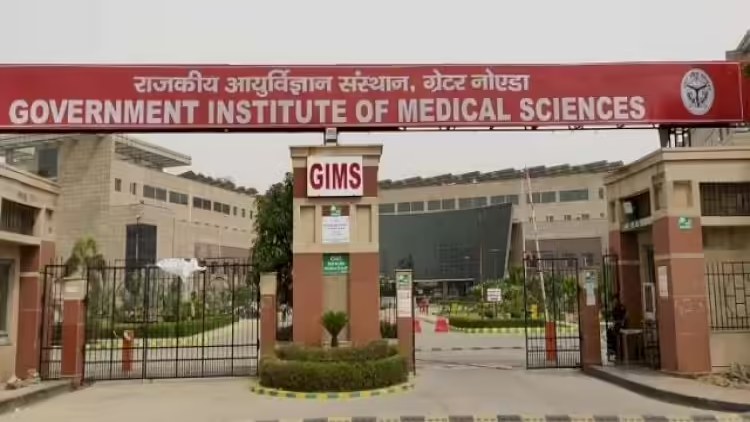
MRSA: How a Superbug Outsmarts Antibiotics and Challenges Modern Medicine | GIMS
TEN NEWS NETWORK

GREATER NOIDA News (19/12/2025): Methicillin-Resistant Staphylococcus aureus (MRSA) has emerged as one of the most formidable symbols of antimicrobial resistance, exposing the limits of conventional antibiotic therapy. While MRSA infections are not inherently more aggressive than those caused by drug-sensitive strains, their real danger lies in the failure of first-line antibiotics, turning routine infections into potentially life-threatening conditions.
At the core of MRSA’s resistance is a sophisticated genetic adaptation. The bacterium acquires a mobile genetic element known as the Staphylococcal Cassette Chromosome mec (SCCmec), which carries the mecA gene. This gene produces an altered penicillin-binding protein, PBP2a, that does not effectively bind beta-lactam antibiotics such as penicillins and cephalosporins. As a result, even in the presence of these drugs, MRSA continues to synthesize its cell wall and survive.
Adding to this defense, many MRSA strains deploy additional survival strategies, including drug efflux systems like tetK and enzyme-mediated antibiotic destruction via blaZ, enabling resistance to multiple antimicrobial classes. Together, these mechanisms transform MRSA into a highly resilient pathogen capable of withstanding aggressive treatment regimens.
Once considered a hospital-confined organism affecting critically ill or immunocompromised patients, MRSA has steadily crossed institutional boundaries. Community-acquired MRSA (CA-MRSA) now infects otherwise healthy individuals, causing skin, soft tissue, and even invasive infections.
In India, the epidemiology of MRSA presents a distinct challenge. The widespread ST772 “Bengal Bay Clone” has drawn global attention for its dual characteristics. This strain combines the enhanced virulence of community-associated MRSA, including the presence of Panton–Valentine leukocidin (PVL) toxin, with the extensive drug resistance traditionally seen in hospital strains. This convergence makes ST772 particularly difficult to control and treat.
Experts emphasize that combating MRSA cannot rely solely on the development of newer antibiotics. Instead, success depends on a coordinated, multi-layered strategy often described as a “bundle of care.” Strict adherence to hand hygiene, early detection through active surveillance, and prompt isolation of carriers remain the cornerstone of prevention.
On the treatment front, antibiotic stewardship plays a pivotal role. Judicious prescribing, timely de-escalation from broad-spectrum agents once methicillin-sensitive S. aureus (MSSA) is identified, and avoiding unnecessary antibiotic exposure can significantly reduce selective pressure. This approach not only preserves the patient’s normal microbial flora but also slows the spread of resistant strains.
With the emergence of newer resistance determinants such as mecC variants and a gradual rise in minimum inhibitory concentrations (MICs) to existing drugs, MRSA continues to evolve. The challenge it poses underscores a critical reality: infection control practices and responsible antibiotic use are as vital as pharmaceutical innovation.
MRSA stands as a reminder that in the era of antimicrobial resistance, vigilance, prevention, and stewardship are not optional—they are essential to safeguarding public health.
Dear Readers and Viewers, Please note that tennews.in: National News Portal daily publishes latest and top ten news from government, politics, national, business, education, technology, lifestyle, entertainment, health etc ten categories. You may submit your e mail and subscribe it to get updates on your e mail. Please also subscribe TEN NEWS NATIONAL YouTube Channel.

Comments are closed.