

Universal Human Values of Vedic Sanatan Civilization: A Timeless Blueprint for Global Harmony
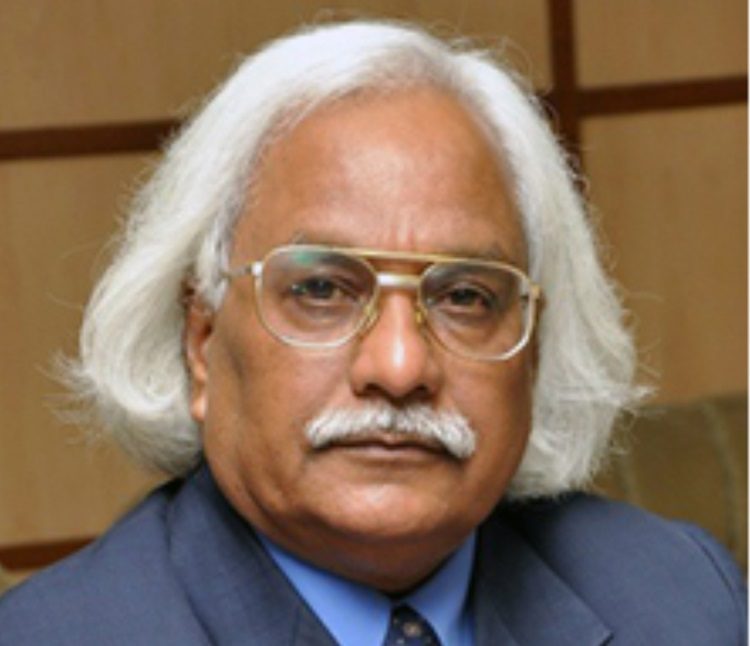
By Prof PB Sharma
A few days ago, I was invited to inaugurate a Faculty Development Workshop on “Universal Values” as a part of the ongoing integration of Indian Knowledge Systems in higher education in colleges and universities. This is a great initiative by the UGC and the AICTE. However, I was taken awake by the addresses before my inaugural address where the learned speakers repeatedly focused on human values and the value system along the lines of the value in commerce and economics. They went on to interpret the value, like the value for money without realising that the universal values are in true sense not only non-negotiable, but are Anmol, their value and impact do not dependent on time, region, race or religion. The Indian Knowledge System, commonly referred to as IKS intends to nurture universal values as being the timeless and independent of national geographies and cultures. In my inaugural address I not only pointed out this vital difference between the human values and the universal human values, but also elaborated the universal human values in some details and emphasised their relevance to the modern age. The article below is intended to further elaborate these universal values for a larger benefit of the global human society.
Introduction
In an era characterized by rapid technological advancement, environmental crises and geopolitical fragmentation, global humanity is increasingly seeking a moral and philosophical compass capable of uniting a divided world. The spiritual and intellectual tradition of Indian Sanatan Civilization, often referred to as Universal Values, offer precisely such a frameworkto build a harmonious and peaceful world. These Universal Values represent a living philosophy rooted in timeless principles that transcend geographical, temporal and cultural boundaries and are timeless treasure of the wisdom of the orient.
Coined by the Vedic Rishis, some 15,000 years ago these values have been practised by the humanity and have been adorned as eternal values of the human race. At the core of these eternal values stands the most profound, the Truth, as in the Vedic proclamation of “Satyamev Jayate, Nanratam”, says the Mundaka Upanishad, 6.0. Coupled with Truth, the Vedic Rishis perceived the oneness of diversity of existence and the Oneness of God. They together built the human civilization deep rooted in the respect for life and the respect for all religions. Ahimsa, Nonviolence and Aparigriha further provided the universal foundation for the right to live a life of dignity and honour while exhibiting a firm resolve to meet the compliance of sustainability, ensuring sustenance of life on Mother Planet Earth maintain its beauty and ecological balance. Thus, the Universal Human Values of Indian Sanatan civilization viewed existence not as a fragmented collection of competing entities, but as a seamlessly interconnected cosmic whole. These fundamental principles of the Vedic heritage offer a vital insight for addressing the global challenges of the 21st century, more so now that the AI and its ever-growing applications have thrown existential threats to the nations around the world. Let us look at these universal principles in a little more deeper to exemplify theirrelevance to the modern times.
Universal Inclusivity and Cosmic Oneness (Vasudhaiva Kutumbakam)
Perhaps the most celebrated declaration of Vedic Universal Values comes from the Maha Upanishad: “Vasudhaiva Kutumbakam“, the World is one Family. This principle expands human empathy beyond national or ideological borders, positioning all living beings as integral parts of a single global family. Today, this world family faces common challenges and has a great opportunity to build a common future that should be harmonious and blissful.
This ethos of inclusivity is further articulated in the ancient Vedic vision of pluralism: “Ekam Sat Vipra Bahudha Vadanti”, “Truth is one, but the wise speak of it in many ways.” Rather than demanding conformity, the Vedic Sanatan civilization inherently honors diversity of thought, faith, and practice, viewing different spiritual and intellectual traditions as diverse pathways toward the same ultimate reality, thus laying a rock-solid foundation for respect of all religions and faith in Oneness of Diversity and at the same time in Diversity of Oneness. This universal thought of the Vedic times inspired generations of Indian minds and the global humanity to converge towards the One Human Society, negating race, religions and cultures as also transcending geographical locations and national boundaries.
Moral Order and Righteous Action (Dharma)
At the structural center of Vedic Universal Values, lies the concept of Dharma. Often simplified as religion or duty, Dharma fundamentally signifies the intrinsic moral law and cosmic order that sustains the universe, society and the individual on the pathways of righteous conduct, purity of thoughts, righteous intent and pious means, negating lust and greed in life and serving the humanity and mother nature with integrity, dignity and honour.
Unlike systems centered strictly on individual rights, the Vedic Sanatan philosophy emphasizes on responsibility and accountability of intent and actions, a duty-bound living (Kartavya). It posits that true societal balance and human dignity emerge naturally when individuals, institutions, and leaders fulfil their obligations to family, community, nature, and future generations with integrity, responsibility and with a conscious mind devoted to the wellbeing of humanity and sustainability of environment and natural diversity. In such a setting, the work perform with devotion and dedication becomes a worship of divine and exhibits work excellence and service with delight, as in Yoga Karmesu Koshlam, Bhagwat Gita 2.50.
Truth and Moral Integrity (Satya)
“Truth alone Triumphs” (Satyameva Jayate) serves as the foundational motto of Indian civilization. Truth (Satya) is recognized not merely as a moral virtue, but as the supreme reality governing existence.
In personal conduct, Sanatan tradition emphasizes Trikana Shuddhi the harmonious alignment of thought (Manas), speech (Vani), and action (Karma). Genuine moral power flows from transparency, authenticity, and an unyielding commitment to truth, whether in scientific inquiry, business, governance or daily human interactions. Truth forms the strongest currency of universal values of Vedic Sanatan tradition, is non-negotiable and has universal appeal in all ages, including the age of digital transformation where integrity, precession and trust form the pillars of the modern age of AI.
Nonviolence and Reverence for Nature (Ahimsa and Environmental Stewardship)
The principle of Ahimsa (non-injury or non-violence) extends far beyond the physical avoidance of harm. It demands an active attitude of compassion, empathy and goodwill in thought, word, and deed toward all sentient beings.
Intimately linked to Ahimsa is a profound ecological consciousness encapsulated in the Vedic verse “Isavasyam Idam Sarvam”, ‘All this, whatsoever moves on earth, is pervaded by the Divine.’ In Sanatan thought, nature–rivers, forests, soil, animals, and the atmosphere, is not a commodity to be exploited, but a sacred life-support system to be revered, conserved andprotected. This innate reverence forms the spiritual bedrock for modern sustainable development, circular economies and climate stewardship. Our sustainable development goals are intrinsically founded on this principle that binds us to think and act in a manner that no one is left behind.
Selfless Action and Ethical Purpose (Nishkama Karma)
Immortalized in the Bhagavad Gita, the doctrine of Nishkama Karma teaches the art of performing one’s duties dedicatedly without being obsessively attached to the personal outcome or rewards (“Karmanye Vadhikaraste Ma Phaleshu Kadachana“, Bhagwat Gita 2.47).
When applied to modern leadership, professional ethics and public service, this principle shifts the driver of human activity from greed and ego to selfless service (Sewa). It reminds us that work performed with excellence, humility and dedication to the larger collective good of the humanity and the entire creation carries intrinsic value and is the foundation for enduring global peace.
A Holistic Vision of Human Life (Purusharthas)
The Vedic Sanatan civilization provides a remarkably balanced roadmap for a complete and fulfilling life through the four Purusharthas (legitimate goals of human existence):
By recognizing the legitimacy of wealth creation (Artha) and desire (Kama), but anchoring them firmly within ethics (Dharma) and ultimate liberation from greed, lust and grief(Moksha), the Vedic Sanatan philosophy avoids both extreme asceticism and unchecked materialism. It provides a workable framework for a compassionate human society deep rooted into personal and professional morals and pursuit of human excellence. At a time when the global humanity is looking for pathbreaking solutions to create a bright and blissful future for the global humanity, this integral framework of Vedic Sanatan traditions provides a feasible pathway for redesigning the world of work, and strategic pathways for growth and development of human society.
The Contemporary Relevance
The values of Sanatan Civilization are not relics of a distant past; they are forward-looking solutions for an interconnected world. In an age grappling with climate change, ethical dilemmas in emerging technologies, and rising polarization, these principles offer a compassionate, ecological, and human-centric guide.
By embracing the wisdom of Vasudhaiva Kutumbakam and the moral discipline of Dharma, humanity can build a future defined not by conflict and exploitation, but by simplicity, integrity, sustainability, and universal peace, a world where, in the words of the ancient prayer, “Sarve Bhavantu Sukhinah”–May all beings everywhere be happy and free. Let the global humanity march towards such a summit of life with divine and unfold the delight and human dignity, ever unmatched.
_____________________________________________________________
*The author Prof PB Sharma is renowned thought leader, former President of Association of Indian Universities, Founder Vice Chancellor of Delhi Technological University and currently, Vice Chancellor of Amity University Gurugram, Haryana.

Comments are closed.