

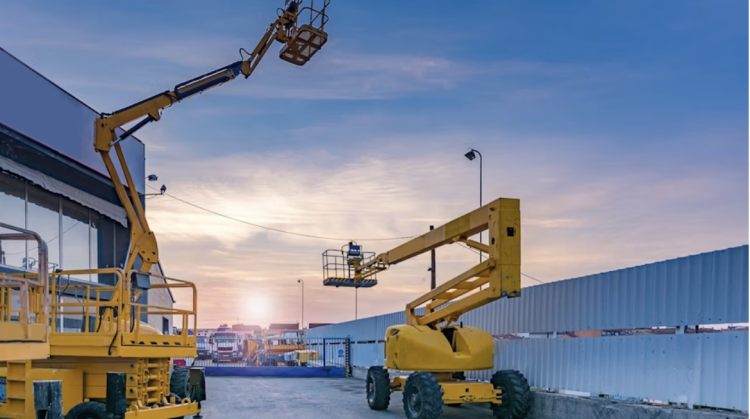
Why Businesses Are Choosing Equipment Rental Companies Over Ownership
Businesses across India are rethinking how they acquire and manage equipment. Choosing an equipment rental company instead of purchasing machinery outright has become a practical approach for organisations seeking greater financial flexibility and operational efficiency. Rather than committing significant capital to assets that may not be used continuously, many businesses now prefer rental solutions that match changing project requirements. This shift reflects careful financial planning, improved resource management, and the need to remain competitive while controlling long-term costs across different industries.
High Ownership Costs Are Driving Businesses Towards Rental
Buying equipment demands a substantial upfront investment, which can limit funds available for daily operations or future expansion. Ownership also creates several ongoing financial responsibilities that businesses must consider carefully.
The main costs associated with ownership include:
- Depreciation: Equipment loses value over time, reducing its resale potential.
- Insurance: Owners must insure valuable assets against damage, theft, and liability.
- Storage: Machinery requires secure storage even when it remains unused.
- Financing costs: Borrowing to purchase equipment increases the overall cost through interest payments.
These expenses continue throughout the equipment’s life. Renting allows businesses to pay only for actual usage, making expenditure easier to manage and more closely linked with productive work.
Rental Gives Businesses Greater Flexibility
Business requirements often change from one project to another. Construction, manufacturing, warehousing, and infrastructure companies may need different equipment depending on the size, duration, and technical requirements of each assignment.
Rental offers several practical advantages:
- Project-specific equipment: Businesses can select machinery suited to each individual project.
- Scalable operations: Equipment requirements can increase or decrease as workloads change.
- Reduced idle assets: Machinery can be returned when projects finish instead of remaining unused.
This flexibility allows businesses to respond quickly to changing demand without maintaining a large fleet.
Access to Modern Equipment Without Regular Capital Investment
Industrial equipment continues to evolve through improvements in efficiency, safety, and performance. Purchasing new machinery whenever technology changes is rarely practical for most businesses. Frequent upgrades can place unnecessary pressure on capital budgets, particularly when existing equipment still has usable life.
Working with an equipment rental company gives businesses access to newer equipment without repeated capital investment. Many rental providers regularly maintain and refresh their fleets, enabling businesses to use machinery that meets current operational expectations and industry standards. This approach helps organisations remain productive without making frequent large purchases.
Service providers such as Godrej RenTRUST support this model by offering access to well-maintained equipment suited to changing business requirements. As a result, businesses can benefit from improved technology and reliable performance while avoiding the recurring costs associated with replacing owned machinery.
Lower Maintenance and Asset Management Responsibilities
Equipment ownership involves more than purchasing machinery. Businesses must also organise servicing, repairs, inspections, compliance records, and replacement parts throughout the equipment’s working life.
Rental reduces these responsibilities in several important ways:
- Regular servicing: Many rental providers maintain equipment according to recommended service schedules.
- Reduced downtime: Well-maintained machinery lowers the likelihood of unexpected interruptions.
- Simplified administration: Businesses spend less time managing maintenance records and compliance documentation.
Reducing maintenance responsibilities enables operations teams to focus more on productivity and less on equipment administration. This allows businesses to spend less time managing equipment upkeep and more time supporting day-to-day operations and project delivery.
Better Cash Flow and Resource Allocation
Maintaining healthy cash flow remains essential for sustainable business growth. Purchasing expensive equipment ties up funds that could otherwise support recruitment, technology upgrades, business development, or market expansion. This can limit a business’s ability to respond quickly to new opportunities.
Rental converts a major capital purchase into a predictable operating expense, making financial planning more straightforward. Businesses can budget according to actual equipment usage instead of committing large sums to assets that may not be used throughout the year. This approach supports more efficient allocation of financial resources.
Preserving working capital also strengthens a business’s ability to manage changing market conditions and fluctuating project demand. With more funds available for core operations and strategic investments, businesses can pursue growth opportunities while avoiding the long-term financial commitments associated with equipment ownership.
Rental Supports Different Business Requirements
Equipment rental benefits many industries beyond construction. Manufacturing, logistics, warehousing, agriculture, infrastructure, and events management often experience changing operational requirements. Renting equipment allows businesses to match machinery with specific projects without making long-term ownership commitments.
For example, a reach truck operator may require different forklift specifications depending on warehouse layouts, storage heights, or handling requirements. Renting suitable equipment allows businesses to adapt to these changing operational needs without investing in multiple machines, helping improve efficiency while avoiding unnecessary ownership costs.
Key Considerations Before Choosing Rental Over Ownership
Before deciding between renting and buying, businesses should assess the following factors carefully:
- Project duration: Compare the expected equipment usage period with ownership costs.
- Frequency of use: Regular daily use may justify ownership, while occasional use often favours rental.
- Overall costs: Include purchase price, maintenance, insurance, storage, and financing in the comparison.
- Equipment availability: Confirm that suitable machinery will be available when required.
- Service support: Review maintenance assistance and response times offered during the rental period.
Evaluating these considerations helps businesses choose the option that best supports operational efficiency, financial planning, and long-term objectives.
Conclusion
The growing preference for equipment rental reflects changing business priorities rather than short-term cost reduction alone. Rental offers flexibility, improved cash flow, access to modern equipment, and fewer administrative responsibilities without requiring significant capital investment. Every organisation should evaluate its operational needs before deciding between renting and ownership. For many Indian businesses, rental provides a practical solution that supports productivity while reducing the financial commitments associated with owning specialised equipment.

Comments are closed.